
Core Modular Systems for Algerian Infrastructure Projects
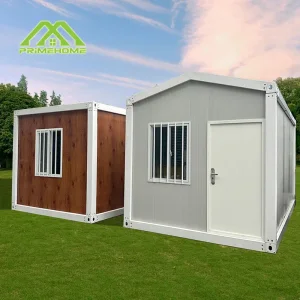
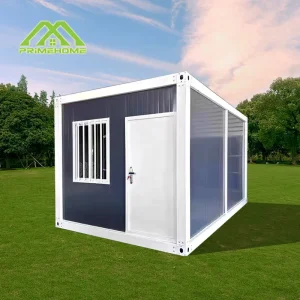
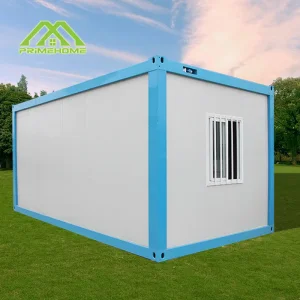
Select heavy-duty prefabricated structures ready for immediate dispatch to Algiers, Oran, Hassi Messaoud, and regional logistics hubs.
Modular Infrastructure Dynamics in Algeria
The People's Democratic Republic of Algeria represents the largest nation in Africa by landmass, presenting a unique structural dynamic for civil construction, natural resource extraction, and urban expansion. As Algeria accelerates its national economic diversification strategies—backed by significant public spending in infrastructure under the National Development Plan—the demand for rapid, high-durability off-site construction has reached unprecedented levels.
Traditional concrete masonry construction in Algeria faces systemic bottlenecks in rural and desert provinces (Wilayas), including prolonged construction timelines, high water consumption in hyper-arid zones, soaring logistics costs for raw aggregates, and severe thermal inefficiency. Prefabricated container house technology from leading Chinese manufacturing hubs offers an indispensable architectural alternative, delivering fully engineered modular spaces capable of deployment in days rather than months.
Key Insight: Modern modular construction in Algeria must solve two contrasting environmental extremes: intense maritime humidity along the Mediterranean coast (Algiers, Oran, Annaba) and extreme thermal swings (0°C night to 50°C+ day) coupled with high sandstorm particulate pressure in the Saharan interior (Hassi Messaoud, Adrar, Tindouf).
Algeria Market Macro Indicators
- Energy Sector Camp Upgrades: Sonatrach Vision 2030
- Thermal Envelope Specs: PIR / High-Density Rockwool
- Key Freight Ports: Algiers, Oran, Bejaia, Skikda
- Regulatory Compliance: DTR Standards & ISO 9001
- Structural Steel Lifespan: 20+ Years (C4/C5 Coating)
Targeted Applications Across Algerian Economic Sectors
Our prefabricated container solutions are customized to meet the distinct operational requirements of Algerian state entities, private contractors, and international joint ventures.
Oil & Gas Living Camps (Sonatrach Operations)
Exploration and production sites in Hassi Messaoud, In Amenas, and Rhourde Nouss require rapidly deployable, self-contained living accommodations. Our expandable and flat-pack container units offer dust-sealed, blast-resistant framing options equipped with multi-split air conditioning systems and thick thermal cores to ensure worker safety and comfortable rest quarters.
Sahara Mega-Projects & Solar Farms
Under the "Solar 1,000MW" initiative and regional infrastructure expansions, utility projects require temporary site management hubs. Modular container office complexes, mobile supervisory units, and containerized control rooms provide rapid site establishment with integrated PV solar setups for off-grid operation in southern Wilayas.
Civil Infrastructure & AADL Support
To support urban public work programs, highways (such as the East-West Highway maintenance stations), and public housing programs (AADL), container units serve as durable site administration offices, engineer meeting rooms, laboratory stations for soil testing, and worker dining facilities.
Mining Infrastructure & Remote Camps
Major mining projects—including iron ore developments in Gara Djebilet (Tindouf) and phosphate mining in Tebessa—demand modular facilities that can withstand harsh abrasives, heavy wind pressure, and repeated relocation across vast terrain without structural fatigue.
Coastal Tourism & Eco-Resort Cabins
Along the Algerian Mediterranean coast, boutique hotels and glamping ventures utilize futuristic Apple Cabins and Expandable Container Villas. These units provide luxury pop-up accommodation with panoramic thermal glazing, zero site damage, and low environmental impact.
Emergency Medical & Public Services
Relocatable container clinics, quarantine units, and emergency response centers provide municipal authorities with immediate sanitary space options for rural population centers, complete with easy-to-clean antibacterial internal claddings.
Technical Roadmap & Saharan Adaptation
Standard container designs fail in extreme desert conditions. Our engineering team in Suzhou has developed a specific technical adaptation protocol for units destined for North Africa.
1. Advanced Thermal Barrier Core
Replacement of standard EPS with Polyisocyanurate (PIR) or high-density Rockwool insulation (up to 100mm thickness), delivering thermal conductivity values as low as 0.022 W/m·K to drastically lower HVAC electricity loads under ambient temperatures reaching 52°C.
2. Sirocco Dust & Sandstorm Seals
Integration of multi-layer EPDM weather-stripping, double-glazed sand-resistant aluminum joinery, and heavy-duty positive-pressure HVAC filtration inlet ports to prevent fine sand (dust storm) penetration into electrical and living spaces.
3. Heavy Galvanized Framing & C4/C5 Paint Coatings
Hot-dip galvanized structural steel tubing (minimum 2.5mm to 4.0mm profiles) combined with fluorocarbon or epoxy zinc-rich anti-corrosion marine paint systems, protecting structural integrity against high salinity along the coast and abrasive desert sandstorms.
4. Off-Grid Solar Photovoltaic Integration
Roof-mounted pre-wired PV solar bracket configurations paired with lithium-iron storage banks (LiFePO4), allowing isolated desert cabins to run lighting, refrigeration, and communication gear independently.
Technical Specification Matrix (Algerian Grade)
| Wind Resistance | Up to 120 km/h (Category 12 Hurricane equivalent) |
| Seismic Performance | Grade 8 Earthquakes (Compliant with local soil movement) |
| Roof Load Capacity | 1.5 KN/m² (Designed for equipment & PV installations) |
| Fire Rating | Class A Non-Combustible (Rockwool Core) |
| Floor Load Capacity | 2.5 KN/m² to 4.0 KN/m² (Reinforced options available) |
| Service Life | 20 - 25+ Years with routine structural maintenance |
China Manufacturing Strength Meets Algerian Demand
Why international contractors, ministry developers, and Algerian procurement leaders choose our Suzhou manufacturing facilities for high-volume modular deployment.
28,000 m² Automated Facility
Our modern manufacturing ecosystem features automated cold-roll steel forming machines, laser cutting systems, robotic welding cells, and industrial powder coating lines. This automation ensures tight dimensional tolerances (+/- 1mm) critical for stacking multi-story container projects.
High-Volume Scale Efficiency
With an active monthly output exceeding 5,000 modular units, we support large-scale emergency workforce housing tenders and rapid mining camp installations without production bottlenecks or extended lead times.
Rigorous QA/QC Testing Protocol
Every structural frame undergoes non-destructive weld inspection, salt spray corrosion testing, rain simulation spray tests, and floor loading verification before flat-packing or shipping container loading takes place.
Direct Maritime Freight Routes to Algeria
We maintain strategic partnerships with global shipping lines (including COSCO, CMA CGM, and Maersk) offering direct container freight services from eastern Chinese seaports (Shanghai / Ningbo) directly to key Algerian maritime ports:
Navigating Algerian Regulatory & Customs Standards
Importing building systems into Algeria requires precise documentation, structural compliance, and banking adherence. We ensure smooth delivery from our factory gates to your job site.
DTR & Structural Code Compliance
Our engineering documentation can be aligned with Algerian structural design guidelines (Document Technique Réglementaire - DTR) and Eurocode structural standards. Load calculations, electrical wiring schemas (220V/50Hz using European CEE 7/7 plugs or Algerian socket formats), and plumbing schematics are provided prior to export.
Banking & Letter of Credit (LC) Support
Algerian trade regulations strictly enforce Letter of Credit (LC) payment methods through commercial banks (such as BEA, BNA, CPA). Our experienced international export trade finance department is fully versed in processing compliant LC documentation, Certificate of Origin issuance, and pre-shipment inspection certificates (Inspection Certificate / Certificat de Contrôle de Qualité).
Customs Tariff & HS Code Optimization
We provide exact HS Code classifications (such as HS 9406.90 - Prefabricated Buildings) to assist your Algerian freight forwarder (transit) in optimizing customs clearance procedures and minimizing import duties under applicable international trade protocols.
Turnkey Export Compliance Package
- Certificate of Origin (CO) Form / Legalized Documentation
- SGS / BV / Intertek Pre-shipment Quality Certificate
- Factory Welding & Galvanization Inspection Reports
- 3D CAD Foundation & Assembly Engineering Schematics
- On-Site Supervised Technical Assembly Guidance
Frequently Asked Questions by Algerian Importers & Contractors
Expert technical answers addressing engineering, shipping, thermal performance, and customs procedures for the Algerian market.
Our Saharan-spec container homes utilize 75mm to 100mm Polyisocyanurate (PIR) or Rockwool core sandwich panels rather than standard EPS. PIR insulation offers exceptional thermal resistance with extremely low thermal conductivity (R-values up to 4.5 m²K/W). Combined with heat-reflective exterior coatings and double-glazed low-E window glass, inside temperatures remain comfortable while drastically lowering electricity consumption for cooling.
Depending on the model type: Flat Pack and Detachable container houses are packed into SOC (Shipper Owned Container) bundles or loaded into 40ft High Cube (40HQ) shipping containers (typically 4 to 6 units per 40HQ container). Expandable units fold into standard container dimensions. Premium space capsules and Apple Cabins are shipped as complete assembled units via flat-rack containers or breakbulk cargo vessels to Algiers, Oran, or Bejaia ports.
Yes. We have extensive experience working with Algerian banking regulations and international trade protocols. We accept Irrevocable Letters of Credit (L/C at sight) issued by major Algerian banks (BEA, BNA, CPA, BADR) and strictly adhere to the required documentary compliance, including pre-shipment quality certificates (SGS/BV) and Certificate of Origin documents.
Fast installation is a core advantage. A standard 20ft flat-pack container unit can be erected by 4 skilled workers in 2 to 3 hours using basic tools. Expandable container units unfold in under 30 minutes. We provide comprehensive step-by-step 3D assembly videos, foundation drawings, and detailed manuals. For large commercial camps or institutional projects, we can send technical installation engineers to Algeria to supervise local work crews.
Yes. All factory-installed electrical wiring, distribution boxes, circuit breakers, switches, and sockets are configured to match Algeria's electrical grid standard (220V/50Hz, single-phase or 380V three-phase for industrial units). Plumbing pipes (PPR water supply and PVC drainage) are pre-installed to standard European metrics for quick connection to municipal lines or septic systems.
Units designated for coastal regions are built using hot-dip galvanized steel framing coated with a multi-stage C4 or C5-I grade anti-corrosion marine polyurethane paint system. This barrier prevents rust formation caused by salt spray and coastal humidity, ensuring a structural design life of 20 to 25+ years with minimal maintenance.
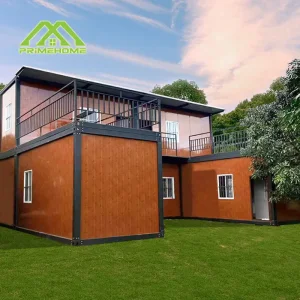
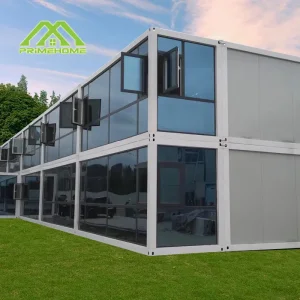
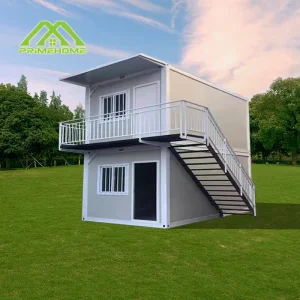
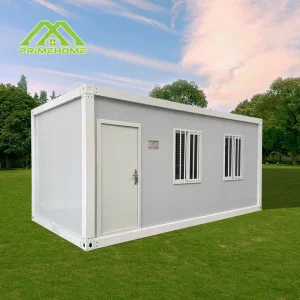
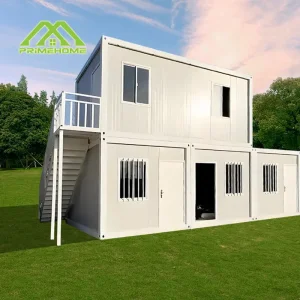
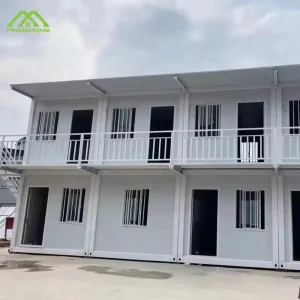
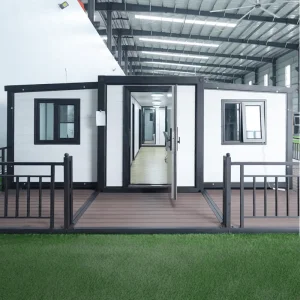
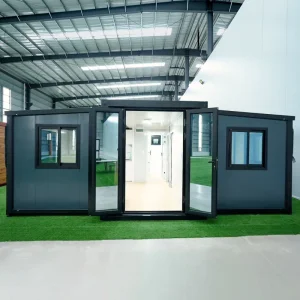
Expanded Product Lines for Algeria
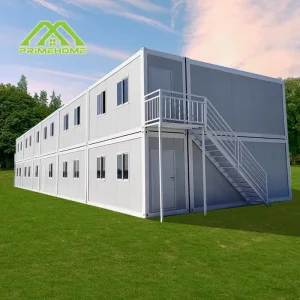
Explore versatile container designs from expandable glamping villas to multi-story worker dormitories.
Ready to Engineer Your Algerian Modular Project?
Request a detailed technical consultation, complete CAD layout proposal, or factory-direct price quotation for your destination port in Algeria.