
Flagship Modular Housing Systems for Mumbai Projects
High-precision modular engineering deployed for commercial hubs, industrial zones, and residential extensions in Maharashtra.
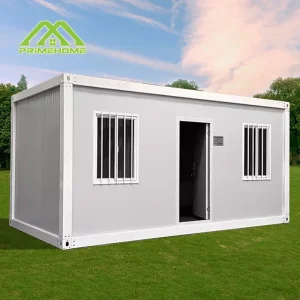
Mumbai Commercial Flat Pack Modular Office & Accommodation Container
Explore Specifications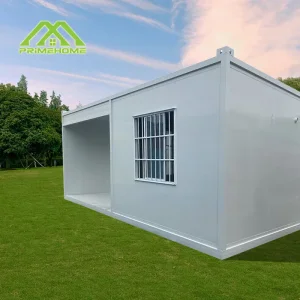
20ft/40ft Expandable Modular Container Homes for Navi Mumbai Estates
Explore Specifications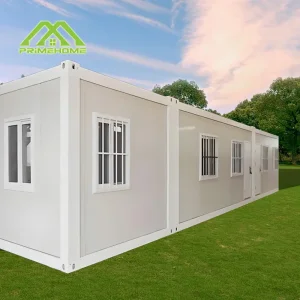
Luxury 40ft 3-Bedroom Modular Container Villa for Alibaug & Mumbai Outskirts
Explore Specifications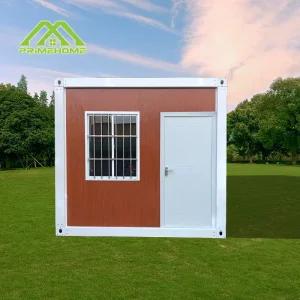
Rapid-Deployment 40ft Expandable Modular Cabin for Mumbai Infrastructure Camps
Explore SpecificationsMumbai Modular Housing Market Dynamics & Industrial Landscape
Navigating real estate hyper-density, coastal environmental stressors, and rapid infrastructure expansion across Western India.
Urban Hyper-Density & Real Estate Pressures in MMR
The Mumbai Metropolitan Region (MMR), encompassing South Mumbai, Bandra-Kurla Complex (BKC), Thane, and Navi Mumbai, presents one of the most intense urban real estate paradigms globally. Traditional Reinforced Cement Concrete (RCC) construction in Mumbai faces severe operational bottlenecks: escalating labor costs, restricted site access in densely populated zones, strict municipal noise limits, and prolonged build cycles lasting years.
Modular container architecture has emerged as a disruptive structural alternative. By decoupling land preparation from building fabrication, B2B developers, infrastructure conglomerates, and commercial entities can bypass urban friction, deploying fully functional multi-story facilities within days rather than months.
Coastal Environmental Stressors & Maritime Logistics
Operating in Mumbai requires engineering built specifically for a harsh tropical maritime environment. Facing the Arabian Sea, structures endure non-stop high airborne salinity, relentless humidity (averaging 70–90%), monsoon downpours exceeding 2,500mm annually, and intense ultraviolet radiation during summer spikes.
Furthermore, proximity to major maritime gateways—primarily Jawaharlal Nehru Port Trust (JNPT) and Mumbai Port Authority (MbPA)—enables direct, highly optimized containerized supply chains. Chinese precision-manufacturing bases in Suzhou deliver factory-direct container housing straight into JNPT berths, ensuring minimal domestic transit overheads.
Importing prefabricated modular buildings directly through JNPT allows major EPC contractors in Maharashtra to avoid inland freight bottlenecks. By utilizing ISO-standardized 20ft and 40ft shipping profiles, our modular structures clear Customs seamlessly, moving straight onto heavy transport trailers bound for project sites in Panvel, Bhiwandi, or Pune via the Mumbai-Pune Expressway.
Advanced Structural Engineering for Tropical Maritime Climates
Deconstructing the structural integrity, thermal barrier technology, and anti-corrosion metallurgy required for longevity in West Coast India.
C5-M Heavy Anti-Corrosion System
Frames feature high-yield Q235B/Q355B structural steel subjected to hot-dip galvanization (minimum 275g/m² zinc coating). Outer surfaces receive marine-grade epoxy zinc-rich primer and aliphatic polyurethane topcoats tested against ISO 12944 C5-M high-salinity standards.
Monsoon Water-Tight Seals
Designed with integrated internal drainage gutters hidden within structural corner columns. Double-stitched EPDM rubber gasketing and concealed polyurethane sealant joints prevent capillary water ingress during severe cloudburst events.
Thermal Envelope & HVAC Efficiency
High-density Polyisocyanurate (PIR) or hydrophobic Rockwool core sandwich wall panels deliver thermal conductivity values as low as 0.022 W/m·K. Solar reflective roof coatings reduce ambient heat absorption, cutting summer AC loads by up to 35%.
| Specification Parameter | Standard Baseline Configuration | Mumbai Coastal / Heavy Industrial Spec |
|---|---|---|
| Structural Steel Frame | Light-gauge cold-formed steel chassis | Q355B Hot-Dip Galvanized Structural Frame (3.0mm–4.5mm profile) |
| Corrosion Protection | Standard alkyd spray paint (120μm) | ISO 12944 C5-M Marine Coating System (Epoxy Primer + PU Topcoat 240μm) |
| Wall Panel Core | 50mm EPS (Expanded Polystyrene) | 75mm High-Density PIR / Structural Rockwool (Class A Fire Rated, Moisture Proof) |
| Wind Load Capacity | 100 km/h (Basic shelter rating) | 150 km/h Severe Cyclone Structural Certification (IS 875 Part 3 Compliant) |
| Floor System | 15mm Plywood + PVC Sheet | 18mm Fiber Cement Board + Heavy-Duty Anti-Bacterial Waterproof Vinyl / Aluminum Plate |
| Integrated Roof Drainage | External runoff drop edge | 4-Corner Hidden Internal Downspouts with High-Flow Gutter System |
Turnkey Industry Applications Across Greater Mumbai
Modular infrastructure engineered to power corporate expansions, mega-infrastructure sites, luxury hospitality, and public services.
1. EPC & Infrastructure Worker Communities
For contractors on the Mumbai Metro Rail expansion, Navi Mumbai International Airport (NMIA), and Mumbai Trans Harbour Link (MTHL), accommodating engineering teams securely is critical. Flat-pack modular dormitories, administrative offices, mess halls, and sanitary units allow contractors to establish fully operational site headquarters within two weeks of arrival.
2. Eco-Tourism & Glamping Resorts in Alibaug & Lonavala
High-end weekend tourism in nearby escapes like Alibaug, Karjat, and Lonavala faces Coastal Regulation Zone (CRZ) and eco-sensitive land restrictions. Panoramic Apple Cabins and futuristic Space Capsules offer non-permanent structural footprints that comply with environmental guidelines while yielding luxury ADRs (Average Daily Rates).
3. Pop-Up Retail & Experience Hubs in South Mumbai
In high-footfall commercial districts like Bandra, Lower Parel, and South Mumbai, leasing permanent real estate involves immense capital outlay. Customizable modular containers enable international retail brands, coffee outlets, and tech pop-ups to activate urban plots instantly with modern aesthetic finishes.
4. Healthcare & Emergency Response Facilities
Municipal bodies like the Brihanmumbai Municipal Corporation (BMC) require rapid emergency deployment capabilities. Modular containerized clinics, isolation wards, and public sanitation blocks can be dispatched from factory stockpiles to disaster or public health zones across Maharashtra on minimal notice.
Technology Roadmap: Next-Generation Modular Manufacturing
Integrating Building Information Modeling (BIM), smart IoT climate control, and renewable energy grids into off-site container fabrication.
Digital Twin & BIM Co-Design
3D structural modeling in Revit ensures exact tolerance fitting before steel cutting, eliminating on-site clash errors during multi-module assembly.
Automated Robotic Fabrication
Laser-guided robotic welding arms fabricate structural corner posts and base frames with sub-millimeter precision for stackability up to 3 stories.
Smart Micro-Grid Integration
Roofing surfaces are pre-fitted with ultra-light flex-solar PV arrays linked to lithium battery storage, creating off-grid modular living units.
IoT Climate Management
Built-in sensors monitor interior humidity and temperature, automatically adjusting HVAC micro-ventilation to prevent moisture buildup during monsoons.
Indian Building Regulations & Standard Authorization
Ensuring full alignment with national codes, structural safety parameters, and environmental mandates.
NBC 2016 Adherence
Engineered to satisfy structural stability guidelines under the National Building Code (NBC) of India 2016, including wind shear and live load criteria.
IS 800 Steel Code
Fabrication standards strictly conform to IS 800:2007 (General Construction in Steel), ensuring safe structural load distributions for temporary or permanent use.
Seismic Zone III Compliance
Mumbai falls within Seismic Zone III. Modular steel frames act as flexible ductile structures, exhibiting superior earthquake resilience over brittle masonry.
Complete Prefabricated Modular Catalog for Maharashtra
Explore our complete range of customizable 10ft, 20ft, and 40ft modular solutions ready for shipping to JNPT, Mumbai.
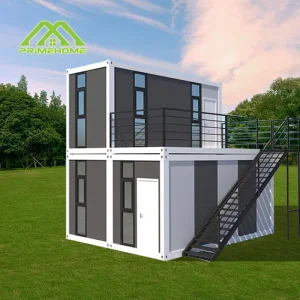
10ft/20ft Compact Modular Office & Garden Pods for Mumbai Corporate Hubs
Explore Specifications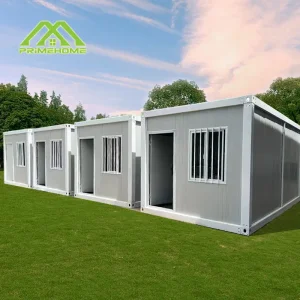
Galvanized Marine-Grade Dismantlable Modular Homes for Coastal Maharashtra
Explore Specifications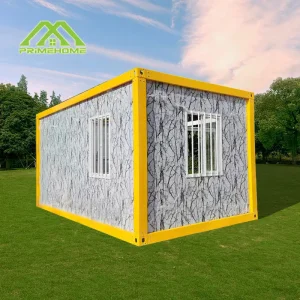
Multi-Bedroom High-Capacity Modular Housing Systems for Greater Mumbai Projects
Explore Specifications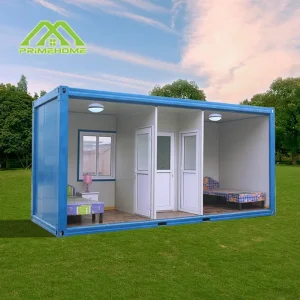
40ft Eco-Luxury Removable Modular Glamping Cabin for Western Ghats & Lonavala
Explore Specifications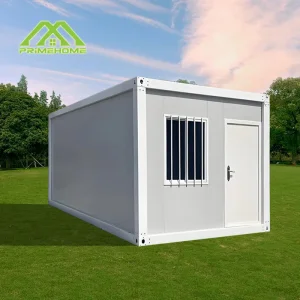
Demountable Prefabricated Modular Campsite Units for Industrial Corridors near JNPT
Explore Specifications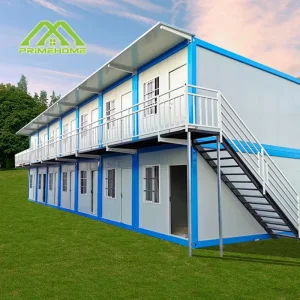
Plug-and-Play 20/40ft Modular Site Accommodation Units for Mumbai Metro Contractors
Explore Specifications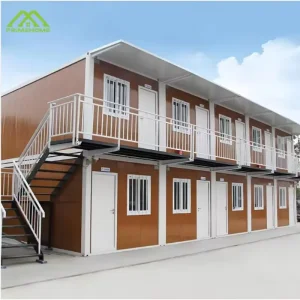
Fast-Deploy Modular Container Hotels & Commercial Offices for Mumbai Suburban Zones
Explore Specifications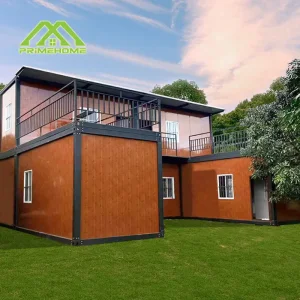
Architectural Modular Retail Pods & Luxury Pop-Up Kiosks for Bandra & South Mumbai
Explore SpecificationsFrequently Asked Questions for Mumbai Buyers
Expert responses covering logistics, import duties, structural compliance, and monsoon protection in Maharashtra.