
B2B Engineering & Prefab Supply Chain
Modular Container House Manufacturers & Factories in Kuala Lumpur
White-Paper Guide to High-Performance Prefab Housing, Tropicalized Engineering, CIDB Compliance, and China Direct Factory Sourcing for Greater Kuala Lumpur & Selangor Infrastructure Projects.
Send Inquiry NowPrimary Modular Housing Solutions for Greater Kuala Lumpur
Engineered for rapid site deployment across Klang Valley infrastructure projects, urban developments, and resort accommodation hubs.
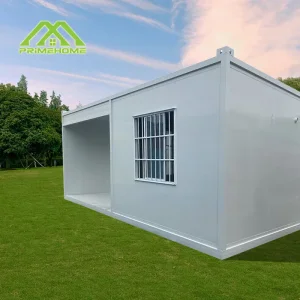
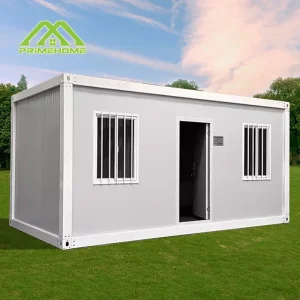
20ft/40ft Expandable Modular Container House for Selangor Eco-Resorts
View Product Details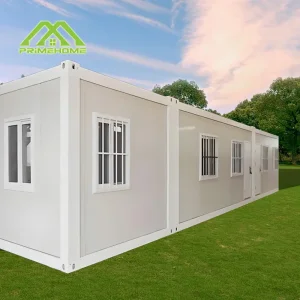
40ft Luxury 3-Bedroom Modular Container Home with Kitchen & Bath
View Product Details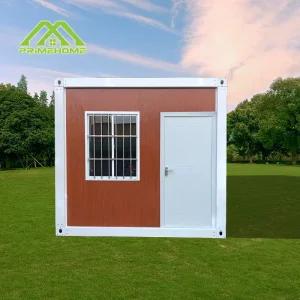
Affordable 40ft Rapid-Deployment Modular Container Pod (Port Klang Delivery)
View Product DetailsThe Modular & Prefab Housing Industry Landscape in Kuala Lumpur
Analyzing macroeconomic drivers, environmental demands, and structural standards shaping modular adoption across Peninsular Malaysia.
1. The Macroeconomic Shift Toward IBS (Industrialised Building Systems)
Kuala Lumpur, as the financial and commercial heart of Malaysia, is undergoing an aggressive urban transformation. Driven by the National Construction Policy (NCP 2030) and strict mandates from the Construction Industry Development Board (CIDB), major project developers across Klang Valley are transitioning away from wet, labor-intensive brick-and-mortar construction toward modular, off-site engineered solutions.
The urban demand in Greater KL—spanning Shah Alam, Petaling Jaya, Cyberjaya, and Sepang—demands fast-track site accommodation, flexible pop-up commercial facilities, and high-density worker lodging. Modular container homes engineered off-site reduce on-site construction schedules by up to 70%, eliminate localized material waste, and streamline site safety compliance under Malaysian OSHA regulations.
2. Engineering for Malaysia's Tropical Climate: Moisture, Heat & Corrosion Mitigation
Deploying modular container structures in Kuala Lumpur's tropical rainforest climate (Köppen Af) presents distinct physical and chemical challenges. With an average relative humidity exceeding 80% and uniform high temperatures paired with intense monsoonal downpours, standard shipping container conversions fail rapidly due to condensation rot, thermal bridging, and structural steel corrosion.
- High-ZinCS Galvanized Steel Subframes: Leading Chinese manufacturers export modules utilizing hot-dip galvanized structural profiles (minimum 275g/m² zinc coating) paired with epoxy marine anti-corrosion primer to withstand Klang Valley moisture levels.
- Thermal Insulation & Vapor Barriers: Standard corrugated steel walls are replaced with high-density Polyurethane (PU) or Rockwool core sandwich panels. Achieving a thermal conductivity ($\lambda$) below $0.022 \text{ W/m}\cdot\text{K}$ ensures inside temperatures stay cool, cutting air conditioning energy expenditures by 45%.
- Integrated Monsoonal Roof Drainage: Custom-engineered internal downpipes built into the 4 corner columns handle precipitation rates exceeding 100mm/hr, preventing roof ponding and structural leaks.
3. Supply Chain Dynamics: China Manufacturing Efficiency vs. Local KL Suppliers
While local manufacturers and fabricators exist within Selangor and Johor, major enterprise buyers in Kuala Lumpur heavily rely on direct direct-to-factory sourcing from specialized Chinese modular manufacturing clusters in Suzhou and Guangdong. China's integrated steel ecosystem provides unmatched advantages:
- Cost Efficiency: Raw material economies of scale cut structural steel purchasing costs by 25–35% compared to ASEAN local stockists.
- Factory Pre-Assembly (MEP Integration): Electrical wiring (MS IEC 60364 compliant), PEX sanitary piping, floorings, and ceiling tiles are 90% pre-installed in China before export packing.
- Rapid Logistics via Port Klang: Direct ocean shipping routes from Shanghai/Ningbo/Shenzhen ports reach Port Klang (Westports / Northports) within 6 to 9 days, enabling fast project execution.
Why Leading Malaysian Enterprises Partner with PrimeHome
Key technical differentiators that guarantee structural durability, CIDB compliance, and low lifecycle operational costs.
Structural Steel Integrity
Fabricated using Q235B/Q355B cold-formed galvanized steel profiles. Designed to withstand seismic activity and wind speeds up to 120 km/h compliant with Eurocode & BS 5950.
Turnkey Pre-Engineering
Units are fully pre-fitted with sanitary modules, integrated DB boxes, LED lighting, and thermal-break aluminum windows prior to container loading.
Flat-Pack & Knotted Logistics
Optimized freight packing allows up to 4 standard 20ft flat-pack modules or 1 extended expandable pod to be loaded into a single 40ft HQ ocean container, dropping shipping costs dramatically.
ACFTA Duty-Free Advantage
Benefiting from the ASEAN-China Free Trade Area (ACFTA), importers in Kuala Lumpur can utilize Form E certificates to lower or eliminate import tariffs at Port Klang customs.
HVAC & Tropicalized Insulation
Equipped with 50mm–100mm PU sandwich panels, double-pane Low-E tempered glass, and reflective roof coatings to minimize HVAC power draws under Kuala Lumpur sun.
Modularity & Reusability
Designed for multi-tier stacking (up to 3 stories) and quick dismantling. Units can be relocated across multiple construction cycles across Peninsular Malaysia.
Localized Application Scenarios in Kuala Lumpur & Selangor
From infrastructure workforce housing to high-end eco-tourism, discover how prefabricated container technology is deployed in Malaysia.
Scenario A: Rail & Highway Infrastructure Camps
For mega-infrastructure initiatives like the East Coast Rail Link (ECRL), LRT3, and MRT expansions, main contractors require secure, comfortable worker accommodations and engineer site offices. Modular flat-pack container units provide air-conditioned quarters, communal canteens, and sanitary blocks that assemble in days and disassemble when site phases finish.
Scenario B: Urban Pop-Up Commercial & Retail Hubs
Trendy commercial zones in Bukit Bintang, Bangsar, and Mont Kiara utilize futuristic Apple Cabins and modern glass-clad container pods for pop-up retail stores, artisan coffee shops, and drive-through food kiosks. The low structural footprint permits temporary land leases with zero permanent civil destruction.
Scenario C: Eco-Resorts & Highland Homestays
Highland tourism destinations around Genting Highlands, Cameron Highlands, and Fraser's Hill require low-impact modular builds. Double-wing expandable container homes with panoramic glazing and timber-style cladding provide premium resort suites without damaging natural steep terrain or requiring massive concrete footings.
Scenario D: Data Center Construction & Tech Parks
With Cyberjaya and Johor-KL tech corridors booming as regional cloud data center hubs, specialized project management complexes, security control pods, and specialized cleanroom staging offices are rapidly deployed using insulated modular steel cabins.
Technical Benchmarking: Prefab Modular vs. Traditional Brick Construction
A comparative engineering evaluation for procurement managers, structural consultants, and project developers in Malaysia.
| Evaluation Parameter | China Direct Modular Container System | Local Malaysia Prefabricated Panels | Traditional Concrete / Brickwork |
|---|---|---|---|
| On-Site Build Duration | 1–3 Days per 100m² module | 2–4 Weeks per unit | 4–8 Months per structure |
| Thermal Insulation (R-Value) | High (R-18 to R-24 with PU Sandwich) | Medium (R-10 to R-14) | Low (R-4 unless insulated cladding added) |
| Labor Cost & Dependency | Minimal (3-4 general workers for assembly) | Moderate local assembly labor required | High (Heavy reliance on specialized wet trade) |
| CIDB / IBS Score Contribution | High (80–90 Points for Offsite Modules) | Moderate (50–70 Points) | Low (< 30 Points) |
| Foundation Requirements | Simple concrete pads / screw piles | Strip foundations or raft slab | Heavy deep piling & reinforced slab |
| Relocatability & Asset Value | 100% Relocatable / High resale value | Semi-permanent / Low dismantling value | Non-relocatable (Demolition required) |
Future Trends Driving Modular Architecture in Peninsular Malaysia
Key technological advancements reshaping modular container homes, smart buildings, and sustainable procurement over the next decade.
1. Net-Zero Carbon & Integrated Solar Photovoltaic (PV) Roofing
As Malaysia advances toward its ESG commitments and carbon neutrality targets by 2050, modular container houses are increasingly designed with integrated solar PV arrays and battery storage microgrids. Off-grid expandable containers deployed in remote eco-resorts or jungle construction sites in Pahang and Perak generate 100% of their operational energy locally.
2. IoT Smart Home & Environment Automation
Next-generation Apple Cabins and luxury space capsules shipped to Kuala Lumpur buyers come pre-fitted with Tuya or Xiaomi IoT smart control hubs. Guests and owners control smart dimmable glass, inverted heat-pump air conditioning, automated access locks, and humidity monitoring via mobile apps or voice commands.
3. Hybrid Structural Systems (Steel Frame + Engineered Bamboo/Timber Cladding)
To match the aesthetic demands of luxury Malaysian hospitality projects, manufacturers are blending structural steel frameworks with sustainable bamboo-composite or thermally modified wood grilles. This delivers tropical aesthetic warmth while preserving the termite-proof, fire-resistant properties of steel modular boxes.
Complete Prefab & Modular Container Product Catalog
Select from our core modular house product lineup, fully customizable for climate control, structural loads, and luxury architectural finishes in Kuala Lumpur.
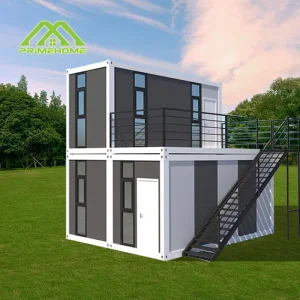
10ft/20ft Garden Modular Office Container Home for KL Suburbs
View Product Details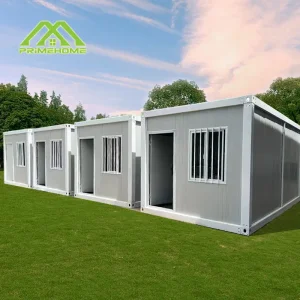
Galvanized Steel Modular Prefabricated Mobile Home (Move-In Ready)
View Product Details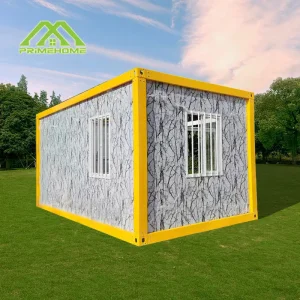
Multi-Bedroom (4/5 Bed) Modular Prefabricated Housing for Infrastructure Staff
View Product Details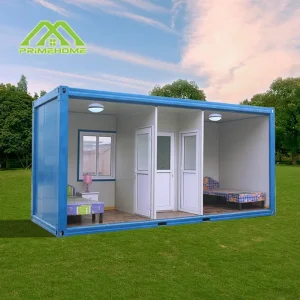
40ft Luxury Prefabricated Steel Camping Cabin Pod for Genting Resorts
View Product Details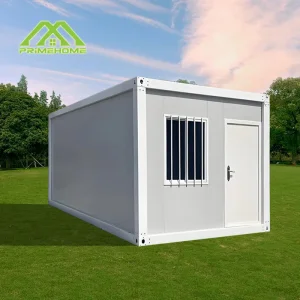
Demountable Modular Campsite Housing for Malaysian Eco-Tourism
View Product Details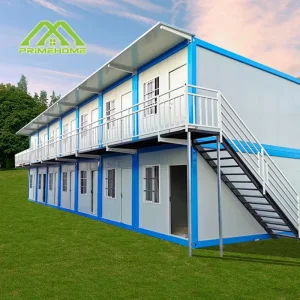
Plug-and-Play 20ft/40ft Practical Modular Container Housing Pod
View Product Details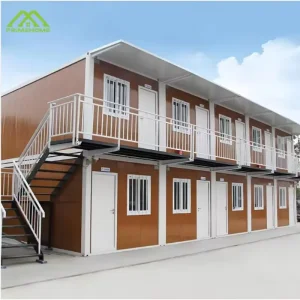
Rapid Deployment Modular Container Hotel & Office (Factory Direct)
View Product Details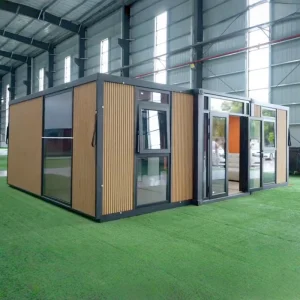
Modern Wooden Grille Design Expandable Homestay Container Pod
View Product DetailsFrequently Asked Questions: Importing Modular Houses to Kuala Lumpur
Expert engineering insights covering logistics, customs duty exemptions, local planning permissions, and tropicalization specs.
Do modular container houses comply with Malaysian CIDB and local council (DBKL) regulations?
Yes. Chinese direct factory modular houses can be engineered to meet Malaysian Construction Industry Development Board (CIDB) Industrialised Building System (IBS) standards. For local council approval under Kuala Lumpur City Hall (Dewan Bandaraya Kuala Lumpur - DBKL) or Selangor local councils (MPAJ, MBPJ), structural calculations, fire safety ratings (MS 1088 / BS 476), and electrical layouts (MS IEC 60364) are provided by our technical team to assist your local submitter (Architect/PE).
How long does shipping take from your China factory base to Port Klang, Malaysia?
Direct ocean freight from major ports in East China (Shanghai/Ningbo) to Port Klang (Westports or Northports) generally takes 6 to 9 transit days. Factoring in factory fabrication (14-21 days depending on order volume) and export clearance, clients in Greater Kuala Lumpur typically receive their units on-site within 3 to 4 weeks from order confirmation.
How do you handle tariff exemptions using Form E under the ACFTA agreement?
Under the ASEAN-China Free Trade Area (ACFTA), prefabricated steel modular structures (HS Code 9406.90) imported into Malaysia qualify for preferential zero or reduced import duties. PrimeHome issues official Form E Certificates of Origin directly with your shipping documentation to ensure smooth clearance at Port Klang customs without unnecessary tariff surcharges.
How do these modular buildings perform under intense heat and heavy tropical rains in Klang Valley?
Our structures are built specifically for hot, humid climates. Wall and ceiling panels utilize high-density Polyurethane (PU) or rockwool insulation core, preventing radiant solar heat transfer. Roof structures feature concealed internal downspouts within hot-dip galvanized corner posts capable of draining monsoonal rain volumes up to 120mm/hour without leakage.
Can your factory customize floor plans and internal MEP fit-outs according to project drawings?
Absolutley. Our internal engineering department adapts structural frames, interior room partitions, window placement, sanitary fit-outs, and electrical socket locations (UK BS 1363 standard plug sockets used in Malaysia) according to your exact CAD architectural drawings.
What is the estimated structural lifespan of your modular container houses?
When properly maintained, our hot-dip galvanized steel modular framework has an engineered structural design lifespan exceeding 25 to 30 years. Corrosion-resistant exterior paints and weather-resistant sandwich panels ensure high structural durability even in coastal or high-humidity environments.
Ready to Engineer Your Modular Project in Kuala Lumpur?
Get direct factory pricing, structural CAD drawings, thermal specifications, and freight loading plans tailored for your Malaysia developments.
Send Inquiry Now