
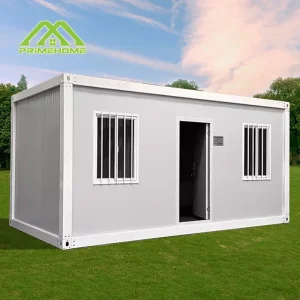
Modular Container House Manufacturer & Factory for the Ethiopia Market
Engineering Turnkey Prefabricated Infrastructure, Heavy-Duty Modular Camps, & Rapid Housing Solutions Across Addis Ababa, Regional Industrial Parks, and Resource Sectors.
ISO 9001 / CE Certified Factory
Rapid Ethio-Djibouti Deployment
High Altitude & Arid Engineered
Core Modular Solutions for Ethiopia
Featured Modular Container Solutions for Ethiopian Development
Pre-engineered steel container systems customized for extreme climatic resilience, cost-effective freight shipping via Djibouti Port, and rapid turn-key assembly on site.
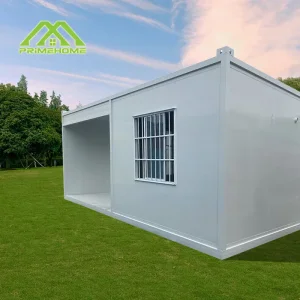
Customized 20ft & 40ft Expandable Modular Homes for Addis Ababa Real Estate & Commercial Hubs
Explore Specs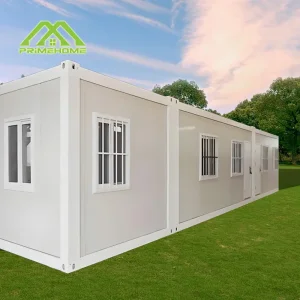
Luxury 40ft 3-Bedroom Modular Mobile Home for Executive Lodging in Ethiopian Industrial Parks
Explore Specs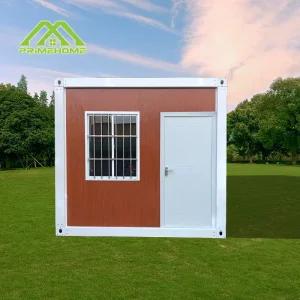
Heavy-Duty Affordable 40ft Modular Container Unit for Quick Installation in Ethio-Djibouti Corridor Logistical Nodes
Explore Specs
Industry White Paper Overview
Executive Summary: The Global Transformation of Off-Site Modular Construction
As urbanization accelerates globally, conventional construction models are bottlenecked by rising material costs, unpredictable weather delays, extended site labor schedules, and significant carbon footprints. Prefabricated modular container architecture has evolved into a high-precision, industrial-grade building solution.
Off-Site Industrial Precision
Fabricated inside advanced 28,000 m² automated manufacturing bases, cold-formed steel chassis and sandwich panel envelopes undergo controlled assembly, reducing structural tolerances to millimeter-level accuracy while virtually eliminating weather-induced work stoppages.
Compressed Delivery Timelines
Simultaneous ground site excavation and factory-floor modular manufacturing shorten capital recovery cycles by up to 60% compared to traditional reinforced concrete or masonry construction, enabling rapid revenue generation for developers.
LCA & Embodied Carbon Mitigation
By using 100% recyclable structural steel (Q235B/Q355B zinc-coated framing), zero-water construction processes, and low-VOC insulation materials, modular container structures drastically reduce Life Cycle Assessment (LCA) environmental impacts.
Geopolitical & Economic Context
Macroeconomic Analysis: Modular Housing Dynamics in Ethiopia
Ethiopia stands as one of Africa’s fastest-growing economies, driven by massive public infrastructure investment, industrialization initiatives, and rapid urbanization. However, this growth presents distinct construction and housing challenges across urban centers like Addis Ababa, Hawassa, Dire Dawa, and rural resource zones.
Urban Real Estate & Infrastructure Deficit
With Addis Ababa expanding rapidly as the diplomatic capital of Africa (housing the African Union headquarters and UNECA), urban land prices and housing demand have skyrocketed. Traditional concrete frame construction suffers from severe cement shortages, fluctuating rebar prices, and prolonged project schedules.
Modular flat-pack and expandable container houses bypass localized material supply bottlenecks, offering commercial real estate developers, municipal housing programs, and corporate headquarters scalable, high-quality buildings deployed in weeks rather than years.
Industrial Parks & IPDC Development Expansion
Under the Ethiopian Industrial Park Development Corporation (IPDC), industrial flagship zones such as Hawassa, Bole Lemi, Kombolcha, and Adama require rapid deployment of worker dormitories, administrative command centers, healthcare clinics, and security outposts.
Modular container units allow industrial developers to scale living quarters dynamically as factory tenant capacity expands, providing standardized, hygienic, and insulated housing for thousands of specialized workers.
Climatic Adaptation: Engineering for High Altitudes vs. Arid Lowlands
Ethiopia’s geography ranges from cool, high-altitude highlands (Addis Ababa ~2,350m above sea level with intense UV and heavy rainy seasons) to scorching arid lowlands (Danakil Depression in Afar and the Somali Region). Standard prefabricated units fail without specific climate engineering.
| Region / Zone | Climatic Environment | Engineering Risk Factors | Modular Design Optimization |
|---|---|---|---|
| Ethiopian Highlands (Addis Ababa, Shewa, Gondar) |
High altitude (~2,300m+), heavy rainy season (Kiremt), high UV index | Water ingress, roof ponding, UV degradation of outer coatings, thermal fluctuation | Pitch roof extensions, dual-layer anti-corrosion poly-coating, seamless EPDM waterproofing, double-glazed Low-E glass |
| Rift Valley & Lowlands (Afar, Somali Region, Dire Dawa) |
Extreme ambient heat (>42°C), high dust levels, low humidity | Interior thermal buildup, dust infiltration, structural thermal expansion | 100mm Polyisocyanurate (PIR) / PU continuous insulation envelope, airtight silicone seals, integrated solar shade canopies |
| Western Agricultural Belts (Gambela, Benishangul-Gumuz) |
Humid tropical, high rainfall, termite activity | Foundation soil shift, structural corrosion, biological wood rot | Elevated galvanized steel pier footings, complete zero-timber steel framing, anti-fungal exterior finish coatings |
Technical Precision
Structural Engineering Specs & Material Science
Our container housing modules are engineered to strict international building codes and optimized for demanding East African environmental conditions.
Heavy-Duty Steel Skeleton
Primary structural posts and base frames are cold-rolled from high-yield Q235B / Q355B structural steel. Top and bottom frame corners utilize standard ISO 1161 container corner castings for safe crane lifting and corner-lock container chassis transit. Galvanized zinc coating (275g/m²) guarantees 25+ years of rust prevention.
High-Density Thermal Insulation
Walls and roof panels incorporate high-density Polyisocyanurate (PIR) or Rockwool (120kg/m³) cores sandwiched between 0.5mm pre-painted galvanized steel (PPGI) sheets. Achieves a thermal conductivity rating of λ ≤ 0.022 W/m·K and Class A non-combustible fire resistance rating per EN 13501-1.
Seismic & Wind Load Resistance
Engineered to absorb energy in active seismic zones (such as the East African Rift Valley). Rated for Seismic Zone 4 performance and capable of withstanding wind pressure up to 0.60 kN/m² (Category 12 typhoon equivalent / 120 km/h wind loads) when anchored to foundation pads.
Require Customized Engineering Drawings for Ethiopian Tender Submissions?
Our engineering department provides complete structural calculations, MEP schematics, and 3D BIM models compliant with Ethiopian Building Proclamation standards.
Send Inquiry Now
Logistics & Regulatory Execution
Logistics Routing: Port of Djibouti to Ethiopian Hinterlands
Navigating landlocked logistics into Ethiopia requires rigorous freight planning. We optimize sea-to-land supply chains to minimize ocean container costs, customs delays, and inland transit risks.
Freight Volume Optimization (Flat-Pack vs Expandable)
To reduce ocean freight expenses from China to the Port of Djibouti, our flat-pack container units are designed so that four (4) disassembled standard units pack into one 40ft High Cube (HQ) container footprint.
For expandable modular units, complete living modules fold down into compact shipping footprints that load directly onto standard sea transport, saving up to 75% of transit space compared to fully assembled modular volumetric builds.
Customs Clearance & Ethiopian Standard Agency (ESA) Protocols
Goods enter via Djibouti Port, passing through border posts (Galafi or Dewele) into Modjo Dry Port or Comet Dry Port in Addis Ababa under the Ethiopian Shipping and Logistics Services Enterprise (ESLSE) multimodal system.
We supply complete documentation packages—including Certificate of Origin, Commercial Invoice, Packing List, CE Certificates, and ISO 9001 quality audits—ensuring smooth tariff classification and fast customs clearance.
High-Impact Applications
Use Cases Across Key Ethiopian Industries
From mining operations in remote regional states to boutique hospitality along Ethiopia’s lakes, prefabricated container units deliver reliable performance.
Industrial Park Staff Housing
Multi-story dormitory blocks, executive suites, and dining halls for manufacturing hubs near Hawassa, Kilinto, and Bole Lemi.
Mining & Energy Remote Camps
Heavy-duty, dust-sealed, air-conditioned operational camps for potash, gold, and geothermal projects in Afar and Oromia.
Emergency & Healthcare Outposts
Rapid-deploy medical clinics, emergency shelters, and relief command centers for governmental and international humanitarian NGOs.
Eco-Resorts & Lake Tourism
Glamping cabins, luxury apple pods, and scenic lakefront villas for tourist destinations around Bishoftu, Lake Tana, and Hawassa.
Innovation & Sustainability
Technological Roadmap: Off-Grid & Green Prefabrication
Integrating modern smart building systems and off-grid technology into container structures to handle regional utility constraints.
BMS & Smart Climate Control
Integrated IoT environmental sensors monitor interior humidity, temperature, and carbon dioxide levels. Automated ventilation damper controls regulate indoor air quality (IAQ) while minimizing energy draw on air conditioning compressors.
Off-Grid Solar Integration
Pre-engineered roof brackets accept high-efficiency monocrystalline solar PV panels tied to lithium iron phosphate (LiFePO4) battery banks, providing continuous 24/7 electrical autonomy for off-grid sites.
Closed-Loop Water Management
Modular container units can be equipped with integrated greywater filtration units, rainwater capture gutter systems, and low-flow sanitary fixtures to reduce water consumption by up to 45%.
Buyer & Engineer FAQ
Frequently Asked Questions: Modular Importing to Ethiopia
Direct technical answers addressing structural specs, shipping routes, local assembly labor, customs protocols, and design modifications.
How are container house shipments handled from China to Ethiopian job sites?
Shipments move via ocean container freight from Chinese ports (such as Shanghai, Ningbo, or Qingdao) directly to the Port of Djibouti. From Djibouti, cargo moves along the Ethio-Djibouti transportation corridor via road truck freight or the Ethio-Djibouti Railway to Modjo Dry Port, Semera, or Addis Ababa for customs clearance before final site delivery.
What foundation work is required on site in Ethiopia prior to container assembly?
Requirements depend on local soil conditions. For stable soils, concrete corner pads or strip footings positioned under the main ISO corner castings are sufficient. For expansive black cotton soils (vertisols) common in parts of Addis Ababa and the Rift Valley, elevated reinforced concrete piers or ground screw foundation systems are recommended to prevent seasonal soil heave.
How do flat-pack container houses withstand high heat and UV in regions like Afar or Dire Dawa?
Our hot-climate container specs feature 75mm to 100mm Polyisocyanurate (PIR) or High-Density Rockwool cores with thermal break wall channels, reflective roof coatings (reflecting over 85% of solar radiation), and double-pane tinted thermal break aluminum windows to minimize thermal gain.
What is the typical installation time and required crew size for a standard 20ft flat-pack container house?
A crew of 3 to 4 skilled assembly workers can fully erect a standard 20ft flat-pack container module (including structural posts, wall panels, roof assembly, and basic electrical wiring) within 3 to 4 hours using basic mechanical hand tools and an overhead hoist or small crane.
Can multiple modular container units be combined to build 2-story or 3-story structures?
Yes. Our heavy-duty cold-formed Q355B galvanized steel corner columns and interlocking corner castings allow container units to be stacked up to 3 stories high without external structural steel skeletons, or higher when integrated with secondary structural bracing.
Do you assist with customs documentation and Ethiopian Standard Agency compliance?
Yes. We provide complete export documentation packages, including Bill of Lading, Commercial Invoice, Packing List, Certificate of Origin, ISO 9001 quality certificates, CE structural compliance documentation, and detailed material spec sheets required by Ethiopian customs clearing agents.
Complete Product Catalog
Explore Our Full Range of Prefabricated & Modular Units
Versatile, durable, and rapidly deployable container architectures engineered for commercial, residential, and industrial applications across East Africa.
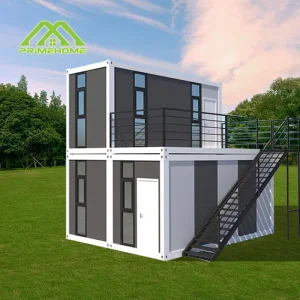
Wholesale Modular Garden & Office Container Homes for Ethiopian Commercial Extensions
Explore Specs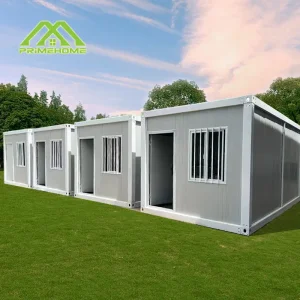
Galvanized Steel Dismantlable Mobile Homes for Rapid Resettlement & Site Office Deployment in Ethiopia
Explore Specs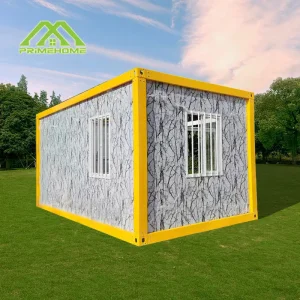
Large Capacity 4-5 Bedroom Prefabricated Modular Container Housing for Construction Camps in Ethiopia
Explore Specs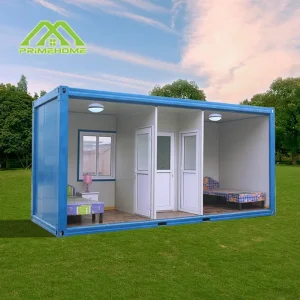
Luxury Steel Camping Cabins & Prefab Removable Eco-Lodges for Ethiopian Tourism Sectors
Explore Specs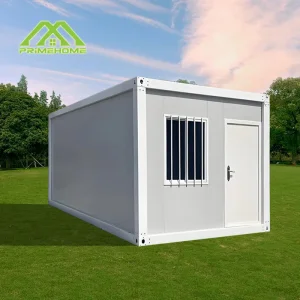
Demountable Prefab Campsite Cabins for Outdoor Infrastructure Projects across Ethiopia
Explore Specs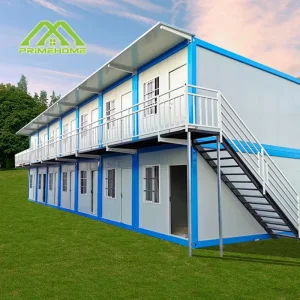
Plug-and-Play 20ft/40ft Modular Container Units for Rapid Ethiopia Field Office Setup
Explore Specs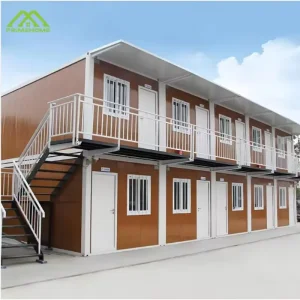
Rapid Deployment Modular Container Offices & Hotels for Urban Ethiopian Expansion
Explore Specs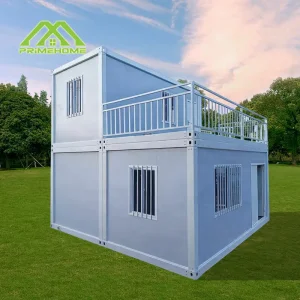
Demountable Flat-Pack Mini Housing Modules for Ethiopian Modular Real Estate Development
Explore SpecsPartner with a Leading China Modular Container House Manufacturer
Direct factory pricing, custom structural engineering, and complete logistics handling for commercial, industrial, and residential projects throughout Ethiopia.
Send Inquiry Now