
Featured Modular Systems for Mexico City Projects
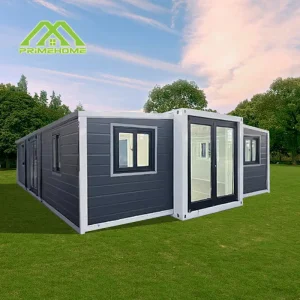
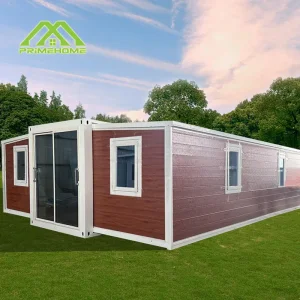
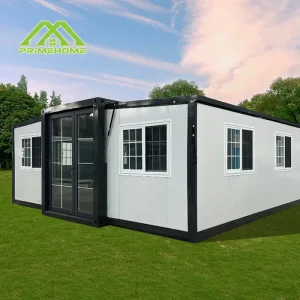
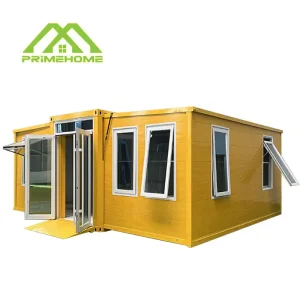
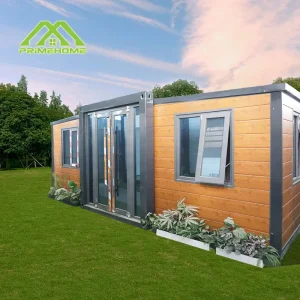
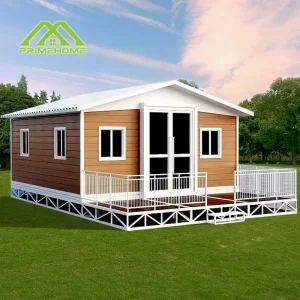
Our double-wing expandable container configurations are specifically designed for rapid mobilization across the Valley of Mexico (Zona Metropolitana del Valle de México - ZMVM). Combining extreme structural elasticity, thermal efficiency, and pre-fitted mechanical, electrical, and plumbing (MEP) systems, these units fulfill both temporary urban infrastructure and permanent residential needs.
Mexico City Urban & Industrial Macro Analysis: The Prefabricated Pivot
Mexico City operates under a unique nexus of extreme urban density, strict environmental zoning (SEDUVI), high seismic risk profiles (Zones I, II, and III based on lacustrine soil deposits), and an unprecedented commercial expansion driven by the USMCA (T-MEC) Nearshoring Boom. As multinational industrial corporations, tech hubs, and commercial developers establish regional headquarters along the Bajío and Estado de México corridors, the conventional construction sector faces systemic bottlenecks: escalating labor costs, severe site disruption, slow brick-and-mortar permitting timelines, and rigid structural designs vulnerable to soil liquefaction and seismic shear stress.
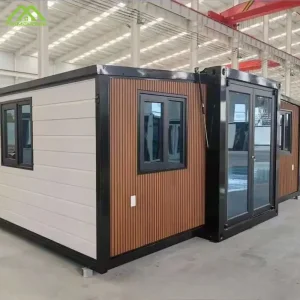
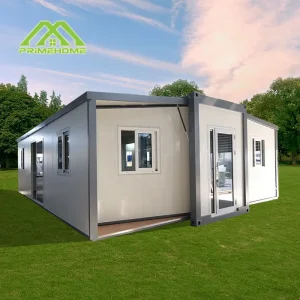
In this high-stakes environment, Expandable Container Houses have shifted from niche temporary housing to primary architectural solutions. By delivering a pre-engineered, factory-inspected, expandable steel chassis that folds down to a standard ISO shipping footprint and expands to triple its floor space in under 30 minutes, global suppliers provide CDMX developers with an unprecedented structural tool: high-density performance without permanent site disruption.
Seismic Mechanics of the CDMX Basin
The ancient lakebed clays of Mexico City amplify seismic shockwaves, subjecting rigid concrete structures to destructive lateral sway and shear failure. Expandable container units feature cold-formed Q345B galvanized steel structural ribbing with kinetic hinge connections. This intrinsic elasticity allows the building frame to absorb lateral acceleration forces without structural degradation, complying with Mexico's Normas Técnicas Complementarias (NTC-DS) for earthquake engineering.
High-Altitude Diurnal Microclimates
Situated at 2,240 meters above sea level, Mexico City experiences intense high-altitude UV exposure and significant diurnal temperature fluctuations (ranging from 5°C at night to 26°C daytime). Our expandable units incorporate high-density Polyisocyanurate (PIR) core sandwich panels with Low-E double-glazed tempered glass, preventing thermal bridging and substantially lowering operational HVAC energy costs.
Technical Blueprint & Structural Architecture
Our enterprise-grade expandable container housing systems utilize a patented dual-wing cantilever mechanism. Engineered for continuous re-deployment or 30+ year permanent installation, each structural component undergoes rigorous quality control protocols prior to export from our main production bases to Latin American ports.
| System Module | Material Specification | Technical Benchmark | CDMX Local Adaptation Benefit |
|---|---|---|---|
| Main Structural Frame | Cold-Formed Hot-Dip Galvanized Q345B Steel (Zinc coating > 120g/m²) | ASTM A572 Grade 50 Standard; Yield Strength > 345 MPa | Prevents oxidation in humid valley zones; engineered for Zone III lacustrine clay foundation load distribution. |
| Expandable Wing Hinges | Heavy-Duty Stainless Steel Precision Torque Hinges with Hydraulic Dampers | 10,000+ Mechanical Cycle Resilience without structural sag | Allows rapid deployment with minimal site labor; resists dust, debris, and urban soot ingress. |
| Wall Insulation Envelope | 75mm / 100mm High-Density PIR / Rockwool Sandwich Panels | Thermal Conductivity ≤ 0.022 W/m·K; Fire Rating: Class A (Non-combustible) | Provides superior sound dampening against CDMX urban noise pollution while insulating against high-altitude thermal drop. |
| Flooring System | 18mm Fiber-Cement Board + Heavy-Duty SPC Vinyl Overlayer | 100% Waterproof, Mold-Resistant, Floor Load capacity > 3.0 kN/m² | Mitigates moisture penetration during Mexico's intense monsoon season (May–October). |
| Fenestration (Windows/Doors) | Thermal-Break Aluminum Frames with 5mm+12A+5mm Tempered Argon Glazing | Solar Heat Gain Coefficient (SHGC) < 0.35; Sound reduction rating > 38 dB | Blocks extreme high-altitude ultraviolet rays while shielding interiors from traffic noise on primary thoroughfares. |
| Electrical & Plumbing | Pre-concealed NOM-Compliant PVC conduit, Copper Wiring, Plumbing Manifolds | Certified to NOM-001-SEDE standards (110V/220V dual-voltage capacity) | Plug-and-play connection directly to Mexico City municipal grids or off-grid solar microgrids. |
Sector Deployment: Solving Mexico City’s Infrastructure Gaps
B2B buyers, municipal authorities, and private real estate firms in CDMX face diverse constraints across different boroughs (Alcaldías). Expandable container housing directly addresses these specific geographical and economic requirements:
1. Commercial Pop-Ups & Retail
In prime zones like Polanco, Roma Norte, and Condesa, commercial real estate lease rates are exorbitant. Expandable containers allow brands to establish high-end pop-up retail hubs, coffee shops, and design studios with zero permanent foundation work, fully compliant with temporary land-use regulations.
2. Industrial Site Field Offices
Along the industrial hubs of Vallejo, Tlalnepantla, and Naucalpan, rapid logistics expansions require scalable administrative offices. Expandable units provide executive-grade, air-conditioned workspace for engineering teams within 24 hours of delivery.
3. Eco-Resort & Glamping Glades
In ecological conservation zones such as Valle de Bravo, Ajusco, and Tepotzotlán, traditional heavy construction is legally prohibited. Expandable container units leave zero permanent ecological footprint, preserving land integrity while offering luxury hospitality interiors.
From Factory to CDMX Site: Integrated Logistics Engineering
Importing prefabricated structural housing into Mexico City requires strict supply chain synchronization. Our logistics workflow minimizes ocean freight costs and ensures smooth customs clearance through major Mexican entry ports.
Port Routing & Land Transport
Units are loaded into standard 40ft High Cube (HQ) shipping containers at our manufacturing plants. Vessel routes travel directly from major ports (Shanghai/Ningbo) to the Port of Manzanillo (Colima) or the Port of Veracruz. From there, units are transferred via flatbed intermodal transport along the Autopista México-Puebla or México-Guadalajara corridors directly into CDMX ring roads (Circuito Interior / Periférico).
Customs & Pedimento Importación
Every shipment is accompanied by complete international documentation, including Bills of Lading (BOL), Certificate of Origin (for tariff preferences under trade agreements), CE/ISO compliance certificates, and detailed packing lists mapped to Mexican customs tariff classifications (FRACCION ARANCELARIA). We coordinate closely with local Agentes Aduanales to facilitate expedited tariff release (Pedimento de Importación).
Complete Expandable & Collapsible Container Solutions
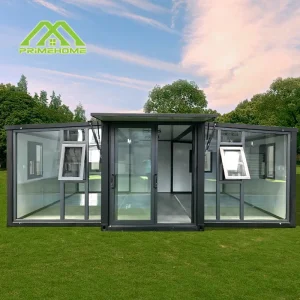
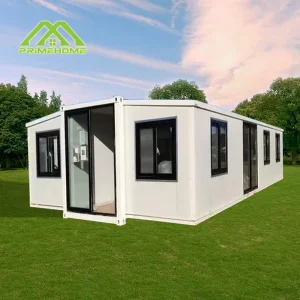
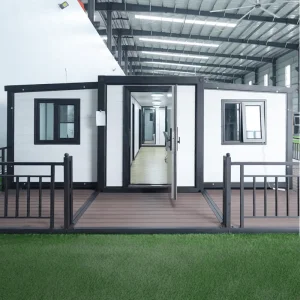
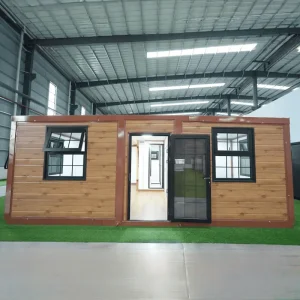
Explore our full engineering line of modular expandable units available for direct wholesale, municipal procurement, and commercial distribution across Mexico City and nationwide.
Commercial Financial Matrix: Modular vs Traditional CDMX Construction
For developers evaluating Capital Expenditure (CAPEX) and Operational Expenditure (OPEX) in Mexico City, prefabricated expandable container structures offer distinct financial advantages. Below is a comparative financial metrics table based on a standard 75 m² footprint development:
| Evaluation Parameter | Traditional Concrete / Masonry | Flat-Pack Container System | Prime Expandable Container System |
|---|---|---|---|
| Turnkey CAPEX (per m²) | $650 - $1,100 USD / m² | $250 - $380 USD / m² | $280 - $420 USD / m² |
| Deployment Timeline | 8 - 14 Months | 2 - 3 Weeks | Under 1 Day (15-30 Min Unfolding) |
| Site Preparation Requirements | Deep excavation, heavy piling, wet concrete curing | Level concrete pad or pier foundations | Minimal point piers or screw anchors |
| Seismic Insurance Premium | High (due to masonry crack vulnerability) | Moderate | Lowest (due to elastic steel cage frame) |
| Relocation & Salvage Value | 0% (Permanent demolition loss) | 40% Salvage value | 85%+ Full asset mobility & relocation |
CDMX Municipal Compliance & Local Engineering Verification
Navigating Mexico City’s urban development policies requires strict alignment with local municipal standards. Our expandable housing systems are pre-engineered to simplify the sign-off process by local certified engineers (Director Responsable de Obra - DRO) and Corresponsables en Seguridad Estructural (CSE):
SEDUVI Urban Planning Alignment
The Secretaría de Desarrollo Urbano y Vivienda (SEDUVI) enforces strict floor-to-area ratios (COE/COS) and green space requirements (Área Libre). Because expandable containers can be mounted on non-permanent screw-piles or mobile chassis, they frequently qualify under flexible temporary structure permits or low-impact ecological land designations, sidestepping years of commercial zoning delays.
Electrical & Sanitary Code Compliance
All internal wiring matches NOM-001-SEDE regulations, featuring flame-retardant THHN/THWN copper conductors, integrated residual current circuit breakers (GFCI), and standard Mexican NEMA 5-15 wall receptacles. Plumbing manifolds utilize pre-tested PEX/CPVC lines engineered for direct hookup to CDMX water pressure nets or greywater filtration systems.
Next-Gen Prefab Innovation: 2025–2035 Technical Outlook
As the prefabricated modular industry evolves, our manufacturing plants are integrating cutting-edge smart building technologies designed to elevate structural efficiency and energy independence:
1. AI IoT Environmental Monitoring
Future expandable models incorporate embedded structural sensors that track seismic vibration, thermal dynamics, and structural stress in real-time. Smart HVAC controls automatically adjust indoor climate based on external CDMX solar intensity.
2. Integrated BIPV Solar Roof Skins
Transitioning from add-on solar panels to integrated Building-Integrated Photovoltaic (BIPV) roof membranes. These lightweight solar skins fold seamlessly with the container wings, delivering off-grid power generation directly upon unfolding.
3. Carbon-Neutral Bio-Insulation
Pioneering eco-friendly insulation cores utilizing recycled PET and bio-based polyurethane foam, achieving net-zero embodied carbon while maintaining Class-A fire resistance and ultra-low thermal conductivity.
Frequently Asked Questions: Mexico City B2B Procurement
Detailed technical guidance for architectural leads, structural engineers, procurement officers, and developers importing expandable container systems into Mexico.
Accelerate Your Mexico City Prefabricated Project Today
Get direct access to factory-direct wholesale pricing, structural calculation drawings, SEDUVI compliance documentation, and customized floor plans tailored to Latin American commercial and residential projects.