
Seattle Industrial & Commercial Sanitation Infrastructure: Technical White Paper
As the economic engine of the Pacific Northwest (PNW), Greater Seattle demands advanced, structural-grade modular sanitation infrastructure. From heavy industrial operations at the Port of Seattle to high-density tech campus expansions in Bellevue and Redmond, modern commercial project managers are pivoting from temporary plastic porta-potties to permanent-grade, factory-prefabricated modular container toilets.
This industrial guide evaluates the deployment metrics, regulatory hurdles (including Washington State Energy Code WSEC compliance and Seattle DCI accessibility standards), structural thermal performance, and global supply chain integrations for high-performance prefabricated container restrooms engineered specifically for the Puget Sound environment.
Core Seattle Industry Pain Point
Traditional site-built masonry restrooms in Seattle face severe permitting backlogs, extreme labor costs exceeding $110/hour for skilled plumbers, and moisture degradation during the region's 150+ annual rain days. Industrial container toilets provide factory-sealed, off-site engineered solutions with pre-installed plumbing, zero-leak waterproofing, and immediate drop-in site hookups.
Featured Modular Sanitation Systems for Seattle Deployments
Factory-direct prefabricated modular buildings engineered for commercial, municipal, and multi-scenario applications in the Puget Sound area.
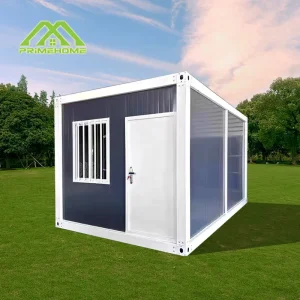
Puget Sound Fast-Deploy Cost-Effective Modular Restroom Block
View Modular Tech Specs →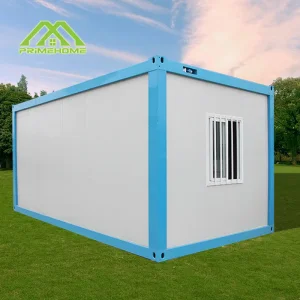
Seattle Industrial Quick-Assembly Prefab Container Toilet Units
View Modular Tech Specs →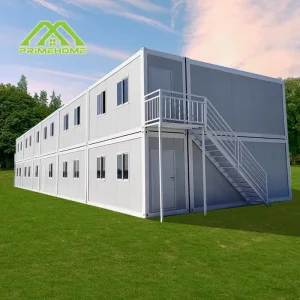
Off-Grid Two-Story Solar-Powered Container Sanitation & Office Unit
View Modular Tech Specs →Localized Engineering: Pacific Northwest Microclimates & Structural Codes
Deploying commercial container toilets in Seattle requires hyper-specific material science to withstand marine air salinity, constant humidity, freezing winter spells, and high seismic design categories (SDC D2/E).
Marine-Grade Anti-Corrosion
Fabricated using heavy-gauge Corten steel frames coated with 3-layer epoxy polyurethane primer. Designed to withstand salt mist and high humidity around Elliott Bay and Lake Washington without surface degradation.
WSEC Insulation & Freeze Protection
Equipped with closed-cell polyurethane spray foam or high-density rockwool wall cores (R-21 to R-30 rating). Integrated heat-trace piping safeguards plumbing fixtures against Seattle freeze events without thermal bridging.
Seismic Risk Engineering
Engineered to meet International Building Code (IBC) Seismic Design Category D. Corner casting anchor assemblies and reinforced floor joists ensure complete structural stability during Cascadia subduction zone events.
Global Supply Chain & ESG Industrial Benchmarks
Prefabricated container toilets represent the pinnacle of Circular Economy Architecture, reducing carbon intensity and water consumption across major urban developments.
75%
Faster On-Site Deployment vs Traditional Build
60%
Water Consumption Reduction (Vacuum Flush Tech)
90%
Reduction in On-Site Construction Waste
30+
Years Structural Lifecycle Rating
By leveraging automated robotic welding, zero-VOC interior wall claddings (such as medical-grade stainless steel, aluminum honeycomb panels, and antibacterial compact laminate walls), our Suzhou manufacturing base exports precision-built container toilet units directly to West Coast ports (Seattle & Tacoma) with minimal shipping transit footprint.
Washington State Permitting & Compliance Standards
Navigating the Seattle Department of Construction and Inspections (SDCI) and Washington State Department of Labor & Industries (L&I) modular building codes requires pre-verified engineering compliance.
ADA Title III & ICC A117.1 Accessibility
Our designated accessible container toilets feature minimum 60-inch clear turning space radius, ADA-compliant grab bars (supporting 250lbs minimum load), low-profile threshold entry ramps, motion-activated hands-free faucets, and emergency assistance alarms configured for municipal approval.
Plumbing Code Integration (UPC & IPC)
Pre-plumbed factory assemblies utilize copper or PEX supply lines and Schedule 40 PVC/DWV waste pipes complying with Uniform Plumbing Code (UPC). Factory hydro-testing at 80 PSI guarantees leak-free operation prior to ocean transit.
Seattle Application Scenarios & Case Use-Cases
Tailored modular solutions engineered for specialized local land-use patterns throughout Western Washington.
1. Maritime & Port of Seattle Logistics Hubs
High-frequency, heavy-use restroom blocks designed for port workers and truck drivers at Terminal 5, Terminal 18, and industrial shipping districts. Featuring anti-vandalism stainless steel fixtures, slope-to-drain floors with epoxy resins, and rapid wash-down plumbing.
2. Tech Campus Expansions & Commercial Workspaces
Sleek, modern apple-cabin and glass-façade container restrooms tailored for corporate sites in South Lake Union, Bellevue, and Redmond. Outfitted with warm interior LED accent lighting, smart occupancy sensors, touchless sanitization, and premium timber-look exterior cladding.
3. King County Parks, Eco-Resorts & Trailheads
Off-grid sanitary units for state parks, glamping resorts, and ski slopes near Snoqualmie Pass. Features solar photovoltaic power kits, blackwater holding tanks, or composting vacuum systems that preserve surrounding wilderness environments without municipal sewer connections.
4. Urban Rapid Hygiene & Shelter Outreach Support
Movable, modular hygiene pods equipped with hot-water showers, laundry modules, and individual restroom stalls designed for municipal urban relief programs, temporary housing villages, and crisis response sites across Seattle and Tacoma.
Technical Comparison Matrix: Modular Container vs. Conventional Masonry Restrooms
Quantifiable metrics for commercial decision-makers evaluating lifecycle cost and structural performance.
| Evaluation Vector | PrimeHome Prefabricated Container Toilet | Traditional On-Site Masonry Restroom | Standard Plastic Porta-Potty |
|---|---|---|---|
| Structural Lifespan | 25–35 Years (Corten Frame) | 40+ Years | 2–5 Years |
| Seattle Lead Time | 4 to 6 Weeks (Factory build + ocean transport) | 6 to 9 Months (Weather dependent) | Immediate Renting |
| Weather & Freeze Resistance | High (R-21+ Insulation, Heat-Trace Pipes) | High (Thick wall assembly) | Very Low (Freezes in winter) |
| Mobility & Relocation | 100% Mobile (Crane lift corner castings) | Permanent (Non-movable) | High (Manual pick-up) |
| Sanitation & Vandal Resistance | Medical Stainless & Compact Laminate | Painted drywall/tile (grout deteriorates) | Low-grade HDPE (easily vandalized) |
| Seattle DCI Permitting Track | Accelerated Prefabricated Inspection Path | Full On-Site Plan Review & Inspection | Temporary Use Permit Only |
Expanded Factory Range for Puget Sound Commercial Projects
Explore our full line of customizable container units, luxury sanitary cabins, expandable spaces, and emergency modular homes.
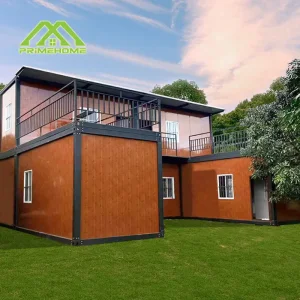
Custom 10ft/20ft Colorful Modular Commercial Restroom & Retail Unit
View Modular Tech Specs →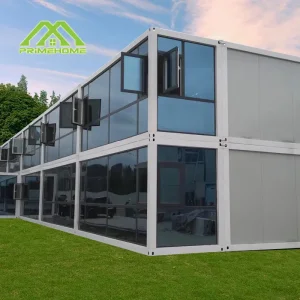
Duplex Modular Industrial Sanitation & Factory Office Complex
View Modular Tech Specs →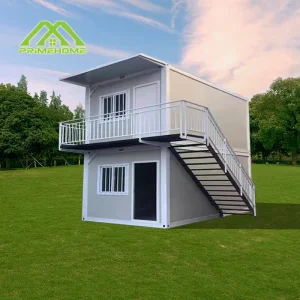
Large-Scale Modular Mobile Restroom & Hygiene Station
View Modular Tech Specs →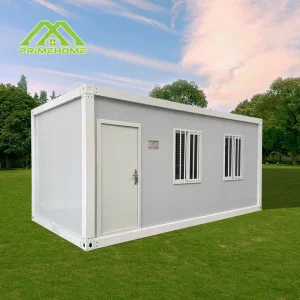
20ft Foldable Rapid-Deployment Container Restroom & Worker Camp Unit
View Modular Tech Specs →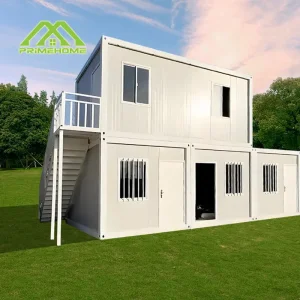
Mobile Restroom Container with Kitchenette & Full Plumbing System
View Modular Tech Specs →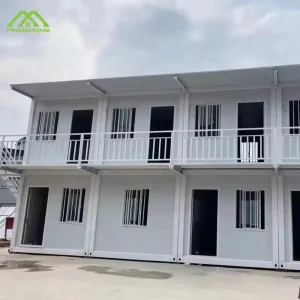
Fast Relocation Modular Container Sanitary Pod for Emergency Relief
View Modular Tech Specs →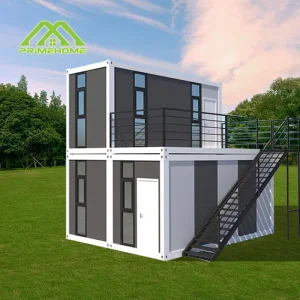
Multi-Stall Garden Modular Office & Restroom Container Suite
View Modular Tech Specs →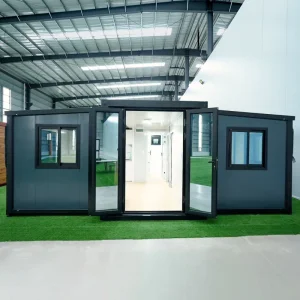
20FT Double-Wing Expandable High-Capacity Modular Sanitation Pod
View Modular Tech Specs →Technical Roadmap & AI Smart Sanitation Innovations
Integrating modern IoT telemetry and automated environmental systems into modular sanitation engineering.
IoT Water Flow & Leak Telemetry
Real-time automated sensors monitor water usage, detect subtle pressure drops indicating potential pipe leaks, and trigger automatic freeze-protection heating circuits during Seattle's cold snaps.
Automated UV-C Disinfection
Integrated overhead UV-C sanitation cycles automatically activate between stall usages when occupancy sensors report zero presence, eliminating airborne pathogens and surface bacteria continuously.
Smart Waste Level Analytics
For off-grid units with holding tanks, cloud-connected ultrasound tank sensors alert municipal or site managers when pump-out servicing is needed, avoiding overflow downtime.
Frequently Asked Questions: Container Toilet Supply to Seattle & PNW
Direct technical answers for general contractors, procurement officers, and engineering leads.
How do container toilets arrive in Seattle, and what site preparation is required?
Our container toilets ship as fully finished, pre-plumbed, and pre-wired ISO-dimensioned units direct from our factory to the Port of Seattle or Port of Tacoma. Site preparation requires a level concrete pad or crushed gravel foundation with point-load piers, alongside site utility connections (water inlet, sewer main or tank connection, and electrical service hookup).
Can PrimeHome container toilets comply with Seattle ADA accessibility codes?
Yes. We manufacture engineered layouts specifically compliant with ADA Title III requirements. This includes wide-swing outward doors, 60-inch internal turning diameter, sink rim height under 34 inches, grab bar reinforcements, and low-threshold entry ramps.
How do these units handle Seattle's rainy winters and sub-freezing temperatures?
Units are fully insulated with closed-cell spray foam or dense rockwool panels providing R-21 to R-30 insulation values. Drainage systems include slope-to-drain floor basins with anti-slip epoxy flooring. Thermostatically controlled heat tracing is pre-installed on internal supply lines to prevent freezing.
What is the typical lead time for a custom commercial restroom container delivered to Western Washington?
Factory production typically takes 15 to 20 days depending on customization complexity. Ocean freight shipping to the Port of Seattle adds approximately 14 to 20 days. The total lead time from final shop drawing approval to site arrival is typically between 4 to 6 weeks.
Are off-grid container toilet solutions available for rural or park installations?
Absolutely. We manufacture off-grid options outfitted with solar roof panel arrays, battery storage banks, low-flow or vacuum flush toilets, and integrated blackwater/greywater holding tanks equipped with quick-connect pumper truck valves.
What warranty and structural guarantees are provided with factory direct orders?
PrimeHome provides a 20-year structural warranty on the galvanized Corten steel frame assembly and a 2-year warranty on plumbing, electrical components, and internal wall finishes.
Request a Custom Engineering Proposal & Factory Quote
Planning a commercial development, industrial park project, or municipal infrastructure upgrade in Seattle, Tacoma, Bellevue, or the broader Pacific Northwest? Speak directly with our modular engineering team today.