
Featured Commercial Container Sanitation Units for Seoul Projects
Factory-direct modular restrooms engineered to withstand freezing Korean winter temperatures while delivering rapid deployment and low maintenance overhead for high-density public and commercial zones.
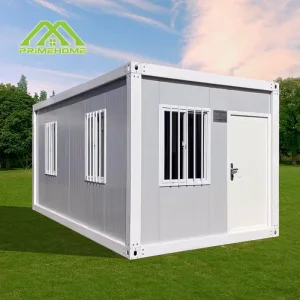
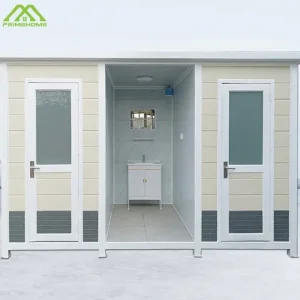
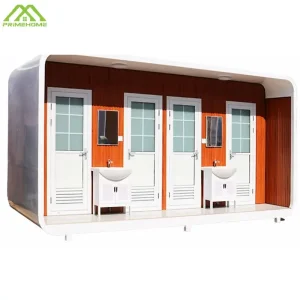
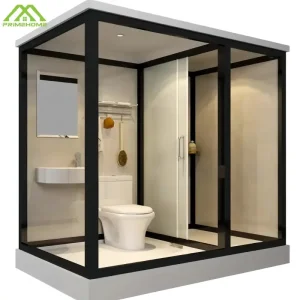
Seoul's Urban Landscape & The High Demand for Modular Sanitation
The Seoul Metropolitan Area (SMA), home to over 25 million residents, presents a unique urban environment defined by intense structural density, stringent environmental regulations, and high seasonal climate variations. As municipal authorities execute urban renewal programs such as the Smart City Seoul 2030 initiative and expand public recreation along the Han River corridor, traditional brick-and-mortar public facilities face major zoning restrictions and slow construction timelines.
This operational challenge has accelerated the adoption of prefabricated container toilets and modular sanitary pods across Seoul’s 25 districts (Gu). Commercial developers in Gangnam, Mapo, and Seongsu-dong frequently deploy temporary pop-up retail, outdoor dining, and exhibition spaces that mandate rapid-assembly, code-compliant restroom structures.
Key Challenge: The Korean Winter Freeze Factor
Seoul’s winter temperatures frequently plunge below -15°C (5°F). Standard portable toilets freeze, rupture, and cause severe sanitation shutdowns. Modern B2B procurement in Seoul requires high-density polyurethane (PU) sandwich panels, self-regulating electrical heating cables (heat tracing), and anti-backflow winterized drainage valves.
Seoul Municipal & Commercial Compliance Factors
- KCS & KBC Building Codes: Structural steel frameworks designed to satisfy Korean Building Code wind shear and seismic resistance standards.
- Universal Access & BF (Barrier-Free): Integrated ramp access and wide-door layouts meeting Seoul’s accessibility guidelines for public restrooms.
- Eco-Conscious Graywater Management: Closed-loop filtration options and dual-flush water-saving fixtures aligned with South Korea's strict wastewater mandates.
Why Seoul Procurement Directors Partner with Chinese Source Factories
Evaluating total cost of ownership (TCO), speed to site, and custom manufacturing flexibility for Korean contractors, commercial developers, and public infrastructure buyers.
Substantial Cost Capital Optimization
Fabricating structural steel chassis, sandwich panels, and pre-fitted plumbing systems in localized Korean metal yards incurs severe labor and raw material markups. Sourcing directly from high-capacity Chinese factories yields a 35% to 50% cost reduction per unit without compromising galvanized steel grade or architectural finishing.
Advanced Automated Fabrication
Our smart factories utilize laser robotic welding, automated powder-coating lines, and CNC panel cutting. This ensures sub-millimeter precision across multi-pod orders, guaranteeing seamless modular connections on-site in Seoul.
Rapid Logistics to Incheon & Busan Ports
Geographic proximity creates an unparalleled supply chain pipeline. Standardized containerized units ship directly from Chinese coastal ports (such as Shanghai/Ningbo) to Incheon Port within 48 to 72 hours, drastically shortening project lead times compared to Western suppliers.
Anatomy of a Cold-Climate Modular Container Toilet
Every container toilet exported to South Korea undergoes rigorous structural and thermal modeling. From anti-corrosion marine-grade steel framework to anti-slip interior finishes, our technical baseline exceeds standard site-office restrooms.
Modular Options for B2B Clients
We tailor internal configurations depending on target user density and site utility access:
- Gender-Segregated Multi-Stall: Separate entrances with dedicated male urinals and female cubicles.
- All-in-One Shower & Restroom: Combined sanitary units designed for construction dormitories and sports parks.
- Off-Grid / Solar Systems: Integrated rooftop solar panels and water storage tanks for remote locations without municipal grid access.
- Smart IoT Management: Automated door locks, occupancy sensors, and water consumption telemetry modules.
The Evolution of Portable & Prefabricated Sanitation
Modular container toilets are transitioning from basic temporary construction site amenities into architectural, tech-enabled public assets.
Architectural Integration
Modern urban planning mandates that public toilets harmonize with surrounding cityscapes. Custom exterior cladding—including composite wood louvers, aluminum veneer, glass curtain walls, and green living walls—allows container restrooms to complement luxury shopping plazas in Gangnam or scenic eco-parks along the Han River.
Touchless & Smart IoT Hygiene
Post-pandemic sanitation design demands zero-touch interaction. Modern container toilet modules incorporate motion-activated faucets, automatic flush valves, sensor soap dispensers, and HVAC UV sterilization systems to maintain pristine hygienic conditions in high-traffic commercial zones.
Circular Water Efficiency
Water conservation technology is now paramount. Vacuum flushing systems—similar to commercial aircraft restrooms—reduce water consumption per flush by up to 80% (from 6L down to 1.2L), drastically extending holding tank capacity in off-grid locations.
Targeted Solutions across Metropolitan Seoul & Gyeonggi-do
Our container toilet modules are designed to integrate seamlessly into a wide variety of commercial, civil, and industrial infrastructure scenarios across Korea.
Han River Parks & Municipal Recreation
High-traffic public parks require durable, anti-vandalism sanitary units that can be rapidly relocated during seasonal flooding events along the Han River floodplains.
Gangnam & Seongsu Commercial Pop-Up Districts
Luxury outdoor brand activations, temporary retail markets, and pop-up events mandate aesthetic container restrooms featuring high-end interior finishes, warm LED mirrors, and premium exterior cladding.
KCS-Compliant Construction Sites
Major civil works and residential tower construction projects require heavy-duty, stackable, easily washable container toilets that meet South Korea’s rigorous site safety and worker welfare mandates.
K-Pop Concerts & Major Outdoor Festivals
Temporary high-density gatherings require multi-stall, rapidly connectable container toilet arrays that can be deployed via flatbed crane trucks and operational within hours of arrival.
Step-by-Step OEM/ODM Sourcing Guide for Korean Buyers
We streamline cross-border ordering to ensure absolute engineering compliance, transparent factory inspection, and smooth customs clearance at Incheon Port.
Architectural Consultation
Submit your layout sketch or site CAD plans. Our engineering team confirms plumbing connections, electrical voltage (220V/60Hz for South Korea), and insulation thickness.
3D Rendering & Approval
Receive full structural calculations, 3D BIM/CAD modeling, and exact material specifications (sanitary fixtures, insulation, structural steel grades) for sign-off.
Precision Manufacturing
Factory fabrication with full QA testing—including 24-hour high-pressure water leak tests for all internal piping and electrical load tests.
Packing & Sea Shipping
Flat-pack or SOC fully-assembled container shipping to Incheon Port. Complete CO (Certificate of Origin) and export documents provided for fast customs duty processing.
Full Range of Modular Sanitation Solutions for Seoul Infrastructure
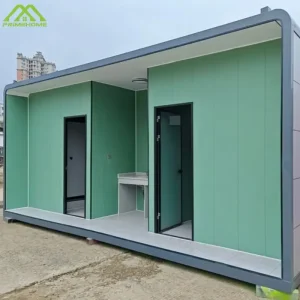
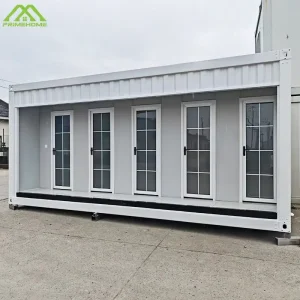
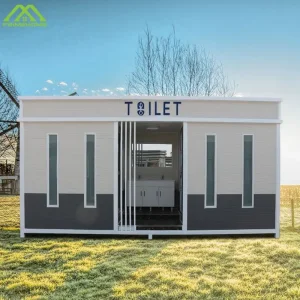
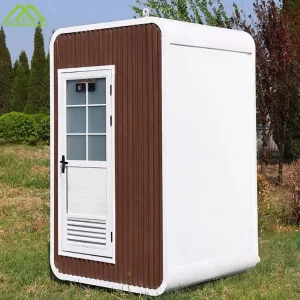
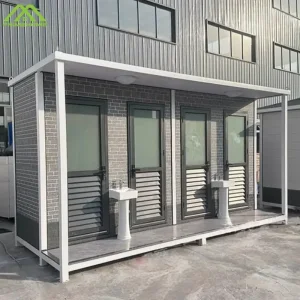
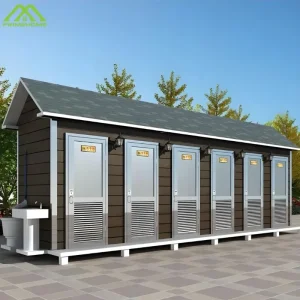
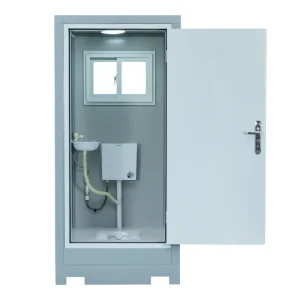
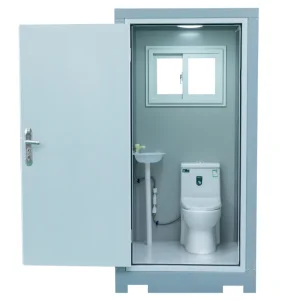
Explore our complete catalog of customizable container toilets, shower pods, and mobile restroom complexes engineered for global commercial deployment.
Frequently Asked Questions by Seoul Sourcing Managers
In-depth technical answers addressing Korean standards, thermal protection, ocean freight, customs, and site installation.
Ready to Procure Container Toilets for Your Seoul Project?
Contact our senior engineering team today. Get factory-direct price estimates, technical CAD drawings, and custom insulation specifications tailored for South Korean commercial and municipal tenders.