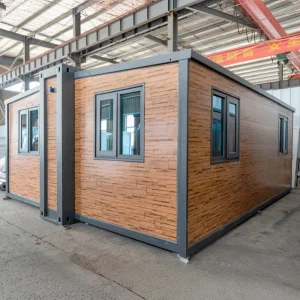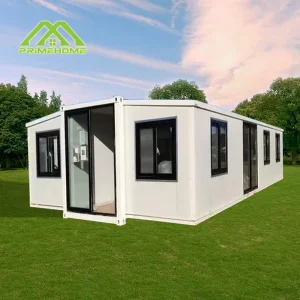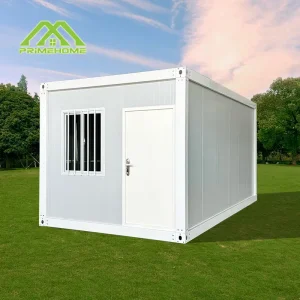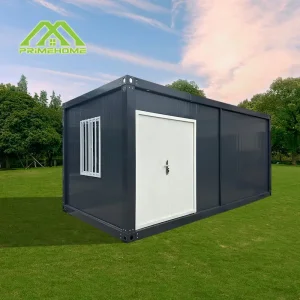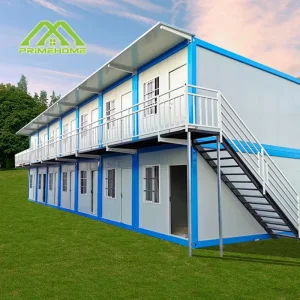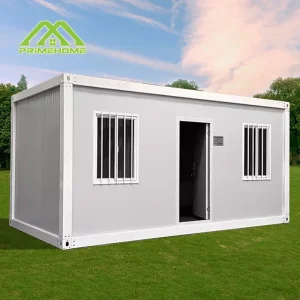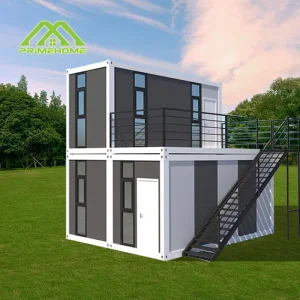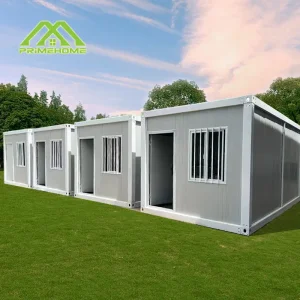
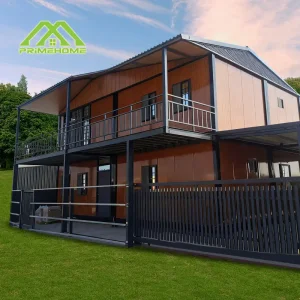
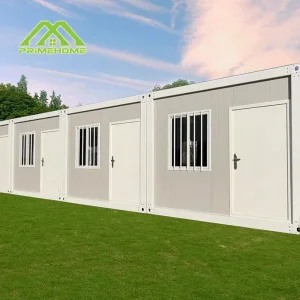
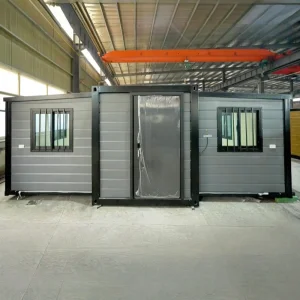
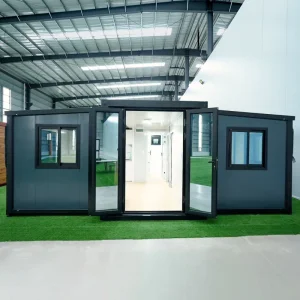
Featured Industrial Modular Systems (Selection I)
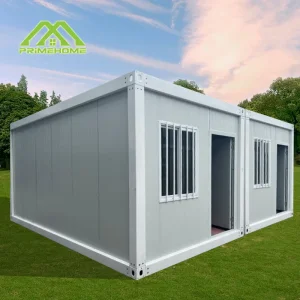
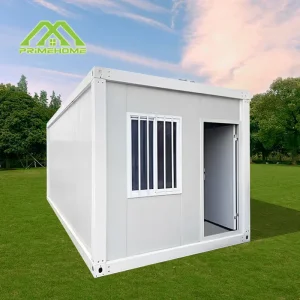
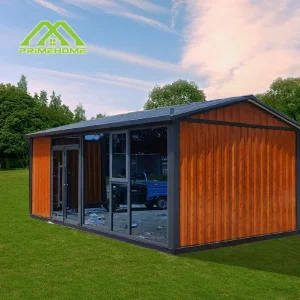
Factory-direct high-durability modular houses, flat-pack kits, and expandable double-wing configurations certified for global compliance and extreme climate performance.
Global Macro Trends in Sustainable House Building
The built environment faces an aggressive operational and embodied carbon inflection point. Factory-manufactured sustainable homes represent the definitive structural transition toward net-zero civil assets.
Decarbonization Mandates & Scope 1-3 Regulations
International environmental directives such as the European Green Deal, California Title 24, and UK Future Homes Standard demand audited lifecycle embodied carbon reductions. Sustainable prefabrication reduces on-site emissions by over 60% and integrates recycled galvanized alloys to lock in verifiable ESG compliance.
Closing the Global Affordable Housing Gap
With urbanization surging in North America, Australasia, and Europe, conventional labor costs and material inflation cause multi-year backlogs. Standardized offsite prefabrication delivers scalable density with up to 50% faster occupancy timelines and fixed budgeting predictability.
Circular Life-Cycle & Asset Relocatability
Linear demolition models are being replaced by high-residual-value architecture. Demountable, flat-pack, and modular structural pods can be redeployed, adapted, or 95% recycled, preserving institutional capital across decades.
Global Enterprise Procurement Requirements
International developers, municipal engineering procurement executives, and institutional EPCs require stringent risk mitigation frameworks before onboarding prefabricated building suppliers.
Stringent Code & Certification Compliance
Enterprise buyers must guarantee that modules satisfy destination building codes—such as CE certification, Australian AS/NZS 1170 wind and seismic load profiles, and US NEC electrical regulations. Offsite testing protocols must document insulation U-values, non-combustible A-class fire resistance, and structural galvanic tolerances.
Logistics Density & Freight Optimization
Intermodal shipping efficiency is vital. Flat-pack and expandable topologies (such as 3-in-1 folding systems) condense freight space so that up to 4 units pack into a single 40ft High Cube container, dramatically lowering maritime carbon footprint and landed cost per square meter.
Integrated BIM / DfMA Custom Engineering
Cross-border buyers need seamless technical onboarding. Factories must utilize Building Information Modeling (BIM) workflows and Design for Manufacture and Assembly (DfMA) protocols to accommodate bespoke plumbing, electrical chases, and high-performance fenestration without on-site cutting.
China Factory 4.0: Supply Chain Resilience & Efficiency Advantages
China's smart manufacturing infrastructure combines heavy industrial fabrication scale, robotic welding precision, and localized supply ecosystem density into measurable client benefits.
The Industrial Scale of Suzhou PrimeHome Technology Co., Ltd.
Suzhou PrimeHome operates an advanced 28,000 m² prefabrication complex featuring high-capacity cold-formed steel automation lines, CNC plasma profiling, robotic plasma welding, and electrostatic powder coating bays. Operating with an output capacity exceeding 5,000 modular units per month, PrimeHome provides the industrial resilience required to execute multi-hectare eco-resorts, government transitional housing contracts, and commercial worker basecamps with dependable delivery schedules.
Unlike fragmented assembly workshops, PrimeHome controls the complete production loop: structural steel welding, PU/PIR automated continuous sandwich panel foaming, tempered thermal glass integration, sanitary installation, and integrated electrical wiring. This deep supply integration mitigates lead time risk and guarantees uniform fabrication precision down to 1.5mm tolerances.
M² In-House Production
Monthly Unit Capacity
Export Nations Served
On-Time Shipment Rate
Localized Deployment Scenarios & Case Typologies
Modular architecture addresses demanding topography, complex zoning requirements, and tight timelines across varied commercial and residential applications.
Eco-Tourism & Remote Glamping
Apple Cabins and Smart Space Capsules provide turn-key panoramic hospitality modules for alpine valleys, desert preserves, and coastal cliffs without heavy concrete foundation pouring or local ground disturbance.
Urban Infill & Backyard ADUs
High-end expandable container homes and 20ft flat-pack studios serve as Accessory Dwelling Units (ADUs), providing rapid residential densification for metropolitan homeowners and private rental operators.
Industrial Camps & Mining Hubs
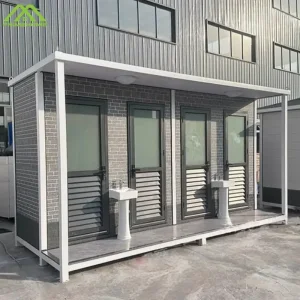
Stackable multi-layer modular flat-packs, site offices, and integrated sanitary container blocks create durable living infrastructure in resource extraction hubs and heavy infrastructure sites.
Disaster Relief & Emergency Hubs
Z-fold and X-fold fast-assembly units can be unpacked, erected, and connected to local water and electrical services in under 15 minutes per module, delivering humanitarian medical and shelter response.
Frequently Asked Questions for Project Developers
Clear engineering answers regarding thermal envelopes, seismic ratings, logistics handling, and customization specifications.
How do Suzhou PrimeHome modular systems achieve structural thermal compliance in extreme climates?
We configure specialized building envelopes using high-density polyurethane (PU), polyisocyanurate (PIR), or hydrophobic rock wool cores varying from 50mm to 150mm. Integrated thermal breaks in the cold-formed galvanized steel framing prevent cold bridging. Coupled with argon-filled, double- or triple-glazed Low-E tempered windows, our homes reach U-values engineered to satisfy harsh Nordic winters or Middle Eastern heat profiles.
What is the expected service lifecycle and structural seismic rating of these units?
The structural framework utilizes hot-dip galvanized cold-formed steel sections with high-grade anti-corrosive primer and fluorocarbon coating. The expected design working life is 30 to 50+ years depending on environmental marine exposure. Structures are calculated to endure Wind Load Class 11-12 (up to 120-135 km/h) and Seismic Performance Category Grade 8.
Can internal layout, MEP wiring, and fixtures be adapted to specific national building standards?
Yes. All electrical systems (wiring harness, circuit breakers, sockets, switches) are configured to client-specified standards including US UL/NEC, European CE/VDE, or Australian/NZ SAA specifications. Plumbing rough-ins and sanitary fixtures are adapted to local trap standards and pipe diameter requirements prior to factory testing.
What are the minimum foundation requirements needed before unit arrival?
Modular structures do not require complex, continuous deep concrete slab foundations. Most models can be mounted directly on simple reinforced concrete ground beams, concrete strip footings, isolated pier footings, or helical ground screws. This approach reduces on-site ground disruption, shortens preparatory construction time, and preserves natural vegetation.
Featured Industrial Modular Systems (Selection II)
Explore additional factory-direct expandable modular pods, space cabins, and multi-unit residential structures available for worldwide containerized shipping.