
High-Efficiency Modular Structures & Expandable Systems
Engineered in automated factories for rapid global deployment, thermal compliance, and circular sustainability.
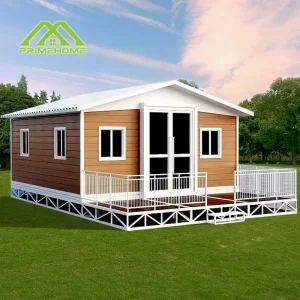
High-Quality Movable expansion box room Fold-out container homes Factory direct sales Collapsible container house Supplier, Factories
View Product Details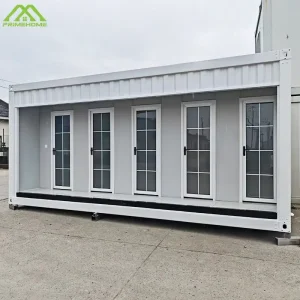
Custom Customized high-quality portable container toilets Prefabricated bathroom shower containers Supplier, Factories
View Product Details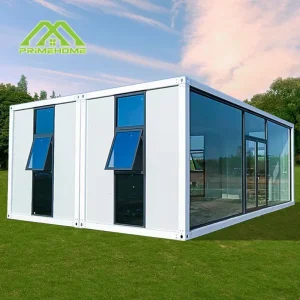
High-Quality Portable garden resort Dismountable customizable modular office cabins Ready to install and use Supplier, Suppliers
View Product Details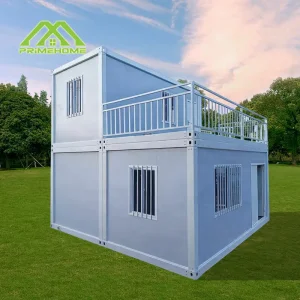
Custom Affordable prefabricated mini houses Demountable flat pack container housing Rapid deployment Supplier, Factory
View Product Details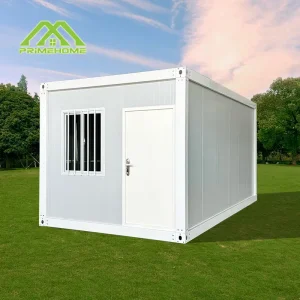
Wholesale A star product in China's temporary construction industry Luxury prefabricated flat pack container houses Manufacturer, Factory
View Product Details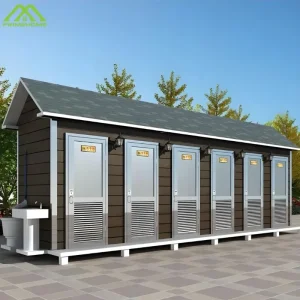
Wholesale Wholesale high quality mobile toilets Luxury outdoor bathroom WC container toilets Manufacturers, Factories
View Product Details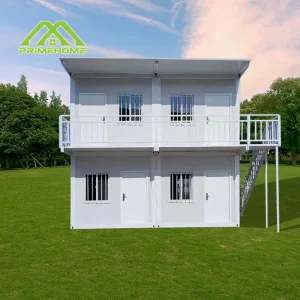
High-Quality Removable multi-functional versatile flat pack container office Mini-home backyard cabin Pod-style prefabricated modular building Supplier, Factory
View Product Details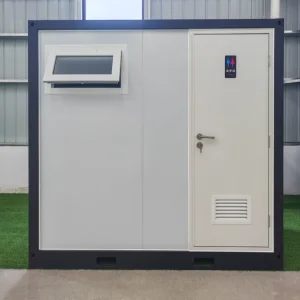
High-Quality Movable Reusable Prefab Dry Wet Separation Shower Bathroom Modular Portable Restroom With Glass Partition Supplier, Factory
View Product DetailsThe Global Paradigm Shift Toward Environmentally Friendly Modular Housing
Analyzing structural shifts, ESG mandates, and decarbonization benchmarks shaping modern off-site construction worldwide.
The global construction industry stands at a critical juncture. Accounting for approximately 39% of global energy-related carbon emissions—28% from operational energy and 11% from embodied carbon in materials—the sector faces intense legislative pressure and market incentives to decarbonize. In response, enterprise procurement managers, real estate developers, and municipal bodies are pivoting rapidly toward high-quality environmentally friendly modular homes suppliers and factories.
Unlike conventional on-site construction, which is plagued by weather delays, labor shortages, high material waste ratios (often exceeding 15%), and environmental degradation, modern volumetric modular construction utilizes precision factory assembly. By shifting up to 90% of the building process into climate-controlled manufacturing facilities, suppliers can enforce rigorous quality management systems (ISO 9001/14001), minimize raw material loss, and guarantee predictable thermal and acoustic performance.
Key Information Gain Metric: Embodied Carbon vs. Operational Carbon
Factory-built modular housing reduces embodied carbon by up to 45% through high-density structural steel optimization, closed-loop waste recovery, and localized supply chain aggregation. Furthermore, tight building envelopes combined with polyurethane (PU) or rockwool sandwich cores cut lifetime operational energy consumption by over 30% compared to traditional masonry builds.
Today's environmentally friendly modular home is no longer a temporary shelter. It encompasses sophisticated architectural typologies—including futuristic Apple Cabins, Space Capsules, expandable multi-wing villas, flat-pack demountable housing, and integrated sanitary pods. These structures are built to withstand severe seismic activity (Zone 8+), extreme wind loads (up to 120 km/h), and arctic temperature fluctuations while delivering luxury-grade interior comfort.
Engineering Specifications & Sustainable Material Science
How top-tier modular factories engineer structural longevity, acoustic isolation, and energy efficiency.
Galvanized High-Tensile Steel Frame
Utilizes Q235B/Q355B cold-formed hot-dip galvanized steel framing. Corrosion-resistant coating (>180g/m² zinc layer) guarantees structural integrity for 50+ years in marine and high-humidity environments.
Closed-Loop Insulation Systems
Employs high-density PIR/PU (R-value up to 7.5 m²K/W) or Class-A fire-rated non-combustible Rockwool panels. Provides zero air infiltration, exceptional thermal barrier performance, and low thermal bridging.
Smart PV & Energy Microgrids
Seamlessly integrates thin-film BIPV (Building-Integrated Photovoltaics), roof-mounted solar arrays, lithium battery storage systems, and heat-recovery ventilation (HRV) for complete off-grid zero-energy living.
Low-VOC Architectural Finishes
Interiors feature bamboo fiber wall boards, fluorocarbon-coated aluminum exterior cladding, low-E double/triple tempered glazing, and zero-formaldehyde water-based adhesives compliant with EU REACH standards.
Optimized Freight & Logistics Density
Engineered for standard ISO shipping container dimensions. Expandable and flat-pack modules fold down to 1/4th of their expanded volume, drastically reducing transport carbon footprints and freight costs.
Circular Economy & Demountability
Every structural connection utilizes high-strength bolts rather than permanent site welds. Enables 100% non-destructive disassembly, relocation, and complete material recyclability at end-of-life.
The manufacturing process for high-quality eco-friendly modular housing follows stringent Building Information Modeling (BIM) protocols. By modeling every steel joist, electrical conduit, and insulation panel in 3D prior to CNC cutting, leading Chinese factories achieve tolerances within ±1.0mm. This precision eliminates site-fitting errors, guarantees airtight thermal seals, and prevents moisture intrusion that typically leads to mold and structural rot in conventional timber buildings.
Why Sourcing from Chinese Modular Factories Drives Unmatched Value
Industrial scale, complete supply-chain integration, and rapid automated prefabrication in hubs like Suzhou.
Global procurement directors increasingly look to specialized manufacturing hubs in China—such as Suzhou, Jiangsu—for large-scale prefabricated housing contracts. The competitive advantage offered by tier-1 Chinese modular factories stems from three core pillars: complete industrial supply chain clustering, massive economies of scale, and advanced automated robotics.
Within a 50-kilometer radius of major manufacturing parks in Eastern China, factories have direct access to raw steel rolling mills, specialized insulation panel fabricators, custom aluminum profile extruders, tempered glass works, and smart home IoT suppliers. This hyper-dense industrial cluster allows factories to reduce raw material procurement lead times by up to 60% compared to European or North American facilities.
Automated Robot Welding
Industrial robotic arms perform structural frame welds under active gas protection, eliminating human error and ensuring uniform structural integrity under dynamic stresses.
Electrostatic Powder Coating
Multi-stage automated surface cleaning and zinc powder electrostatic coating lines deliver superior weather protection against marine salt spray and UV degradation.
Turnkey Prefabrication
Units leave the factory floor with integrated plumbing, pre-wired circuit breakers, smart lighting, kitchen cabinets, and luxury sanitaryware ready for plug-and-play hookup.
From a cost-benefit standpoint, Chinese factory-direct sourcing offers savings between 30% and 50% over traditional local construction, even when accounting for ocean freight and import tariffs. Furthermore, with monthly production capacities reaching thousands of units per manufacturing facility, large worker camps, resort developments, and disaster relief programs can be deployed in weeks rather than years.
Global Application Scenarios for Modular Eco-Structures
From high-end eco-tourism to heavy industrial site housing and disaster response.
Eco-Resorts & Glamping Pods
Apple Cabins and Space Capsules featuring curved panoramic glass provide zero-footprint, luxury tourist accommodation for nature reserves, alpine resorts, and coastal retreats.
Industrial & Mining Camps
Flat-pack and double-wing expandable container homes configured for heavy-duty worker accommodation, mess halls, engineering offices, and medical clinics in remote locations.
Urban Pop-Up & Commercial Spaces
Modular cafes, retail kiosks, mobile brand showrooms, and public container toilet pods deployed in city centers without long-term foundation work or traffic disruption.
Affordable Municipal Housing
Multi-story stacked modular apartment blocks designed for rapid urban infill, student housing communities, and government workforce shelter programs.
Disaster Relief & Emergency Response
Fold-out container homes unfolded in 15 minutes by two workers, delivering immediate water-tight, insulated, and sanitary living quarters after floods or earthquakes.
Suburban Backyard ADUs
Accessory Dwelling Units (ADUs) for residential backyards, providing independent home offices, guest suites, or rental income units with minimal site intrusion.
Key Industry Development Trends Shaping Modular Construction (2025–2035)
Innovations driven by net-zero targets, AI design automation, and circular building legislation.
The next decade will see modular construction transition from an alternative building method to the primary standard for global real estate development. Key trends identified by industry leaders include:
- 1. Mandatory Life-Cycle Carbon Assessment (LCA): European and North American building codes are increasingly mandating LCA disclosures. Top suppliers are providing EPD (Environmental Product Declaration) certificates tracking raw steel sourcing, manufacturing kWh, and ocean freight emissions per square meter.
- 2. Parametric AI Architecture & Mass Customization: Buyers will use web-based parametric tools to customize room dimensions, window placements, and interior finishes in real time, automatically generating factory production files for immediate CNC cutting.
- 3. Smart Grid & IoT Integration: Homes will leave factories with pre-installed IoT sensors, smart HVAC controls, and vehicle-to-home (V2H) battery interfaces, allowing modular housing clusters to act as decentralized virtual power plants.
- 4. Fully Circular Deconstruction Standards: Building permits will require structural component reuse guarantees. Modular home suppliers are designing standard standardized structural nodes that allow 100% component interchangeability across different architectural projects.
Comparative Evaluation Matrix for Enterprise Buyers
Evaluating structural options, shipping density, assembly speeds, and financial metrics.
| Modular Building Type | Transport Density | On-Site Assembly Time | Thermal / Acoustic Rating | Primary Commercial Use | Expected Lifespan |
|---|---|---|---|---|---|
| Expandable Container Villa | High (Folded 1-to-3 ratio) | 1 to 2 Hours / Unit | R-25 to R-32 / STC 48 | Resorts, Holiday Lodges, ADUs | 35–50 Years |
| Flat-Pack Container House | Ultra-High (4 units / 40HQ) | 3 to 4 Hours / 2 Workers | R-18 to R-25 / STC 42 | Worker Camps, Site Offices | 25–35 Years |
| Apple Cabin / Capsule Pod | Monolithic (Delivered 100% Ready) | 30 Minutes (Crane Placement) | R-28 to R-35 / STC 52 | Boutique Hotels, Scenic Homestays | 40–50+ Years |
| Detachable Modular Unit | Max Density (Knock-down parts) | 4 to 6 Hours / Unit | R-15 to R-22 / STC 40 | Emergency Shelters, Classrooms | 20–30 Years |
| Modular Sanitary Pod / Toilet | Fully Fitted Unit | Plug & Play (Plumbing Hookup) | Waterproof / Moisture-Sealed | Parks, Events, Mining Sites | 25–40 Years |
High-Performance Prefabricated Housing Models
Select a model to view specs, factory-direct wholesale pricing, and custom floorplan options.
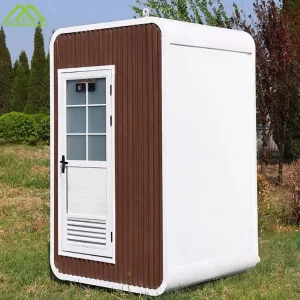
Wholesale Factory direct sales Single or double modular container toilet Prefabricated public restrooms Manufacturer, Manufacturers
View Product Details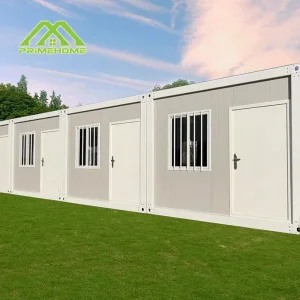
High-Quality Large-size newly designed detachable modular flat pack container houses Convenient time-saving cost-effective Ideal choice for modern affordable housing Manufacturers, Factories
View Product Details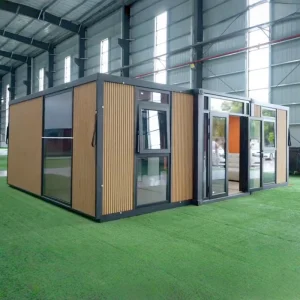
Wholesale Modern Wooden Grille Design Prefab Home Expandable Container House for Scenic Homestay Tourist Temporary Lodging Factory, Factories
View Product Details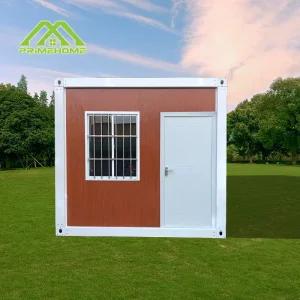
China Affordable 40 foot expandable modular container homes Fast shipping Quick delivery and easy installation Manufacturer, Factories
View Product Details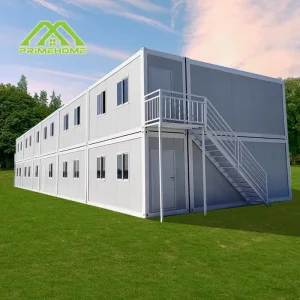
Custom Two-story modularized flat steel container houses, prefabricated house office building with solar energy system Manufacturer, Factory
View Product Details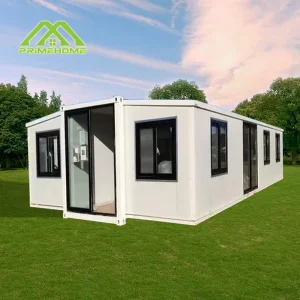
Custom 3 in 1 double-wing foldable container house Soundproof and sustainable Expandable ultimate luxury villa apartment Supplier, Factory
View Product Details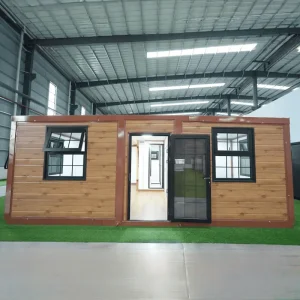
China 20FT Factory Direct Galvanized Steel Prefab House Double Wing Expandable Container House for Construction Camp Manufacturers, Supplier
View Product Details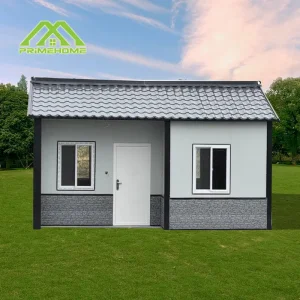
High-Quality Multi-scenario multi-purpose modularized detachable and portable container houses with kitchen and restroom facilities Supplier, Factories
View Product DetailsCommercial & Engineering Inquiry Guide
Expert answers addressing international building codes, logistics, engineering capabilities, and custom manufacturing options.