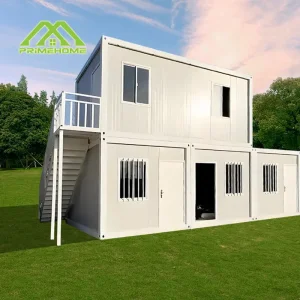
Featured Modular Units & Sanitation Containers
Explore our factory-direct modular sanitation blocks, customizable site accommodation containers, and heavy-duty prefabricated units built to international ISO/CE building standards.
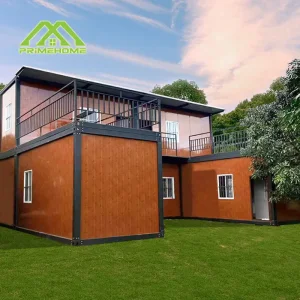
Custom Customizable 10ft and 20ft colorful modular prefabricated houses that used as luxury shops luxury restaurants luxury vacation homes Suppliers, Factory
View Product Details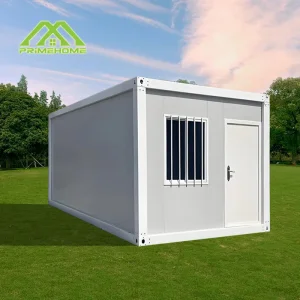
China Custom Modular Mobile Homes Premier Choice for Outdoor Living Demountable Prefab Campsites Affordable prices Manufacturers, Supplier
View Product Details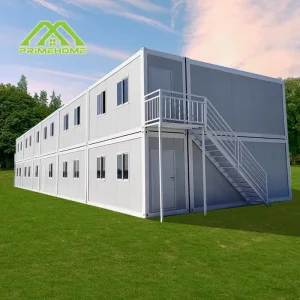
Custom Two-story modularized flat steel container houses, prefabricated house office building with solar energy system Manufacturer, Factory
View Product Details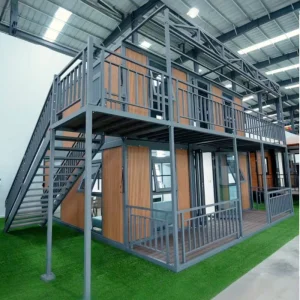
High-Quality Modern Double Story Modular Villa Prefab Expandable Container House with Complete Living and Outdoor Leisure Space Manufacturer, Factories
View Product Details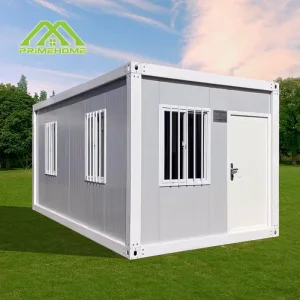
Custom Luxury rapid portable expandable prefabricated container house suitable for apartments, hotels, outdoor villas or courtyards Manufacturer, Supplier
View Product Details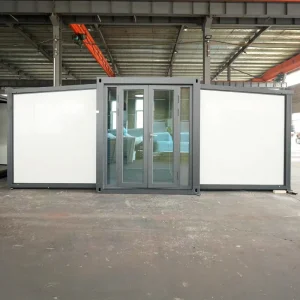
Wholesale 20FT Prefab Modular Building Expandable Container House for Custom Minimalist Single Apartment Manufacturer, Supplier
View Product Details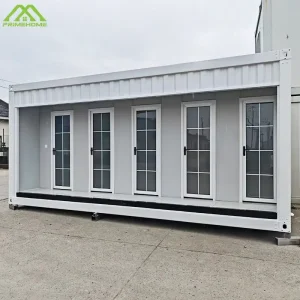
Custom Customized high-quality portable container toilets Prefabricated bathroom shower containers Supplier, Factories
View Product Details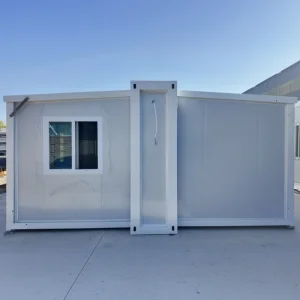
Custom F700 9M Extended Expandable Container House White Exterior 2-Bedroom Side Entry Prefab Home Supplier, Factories
View Product DetailsGlobal Macro Status: The Strategic Role of Temporary Sanitation in Modern Construction
How regulatory compliance, labor welfare directives, and off-site modular engineering are reshaping the multi-billion-dollar site infrastructure market.
In contemporary mega-infrastructure projects, energy sector developments, and urban high-density builds, on-site sanitation is no longer treated as a secondary logistical oversight. Regulatory bodies such as OSHA (Occupational Safety and Health Administration) in North America, EU Workplace Directive 89/654/EEC, and Safe Work Australia have implemented strict mandatory requirements regarding worker-to-toilet ratios, hygiene standards, and climate-controlled sanitation environments. Consequently, leading EPC (Engineering, Procurement, and Construction) contractors are moving away from traditional single-unit plastic portal loos toward fully integrated, heavy-duty custom temporary toilets for construction sites.
The global market for industrial portable sanitation has evolved from basic containment units into sophisticated, modular wastewater management infrastructure. Modern construction sites require durable, hygienic, and quickly deployable facilities that can handle high user traffic, withstand extreme weather conditions, and support sustainable water recycling operations. Factory-built containerized toilet and shower blocks offer a plug-and-play solution that reduces site mobilization times by up to 70% while drastically improving worker productivity and health safety index scores.
Structural Engineering & Technical Materials Standard
Delivering high structural integrity, superior anti-corrosion performance, and hygiene-optimized interior cladding engineered for rigorous site usage.
Heavy Galvanized Q235B Frame
Constructed using high-yield Q235B steel profiles, hot-dip galvanized with a zinc coating density of ≥ 120g/m². Features corner fittings capable of multi-tier crane lifts and wind load resistance exceeding 120 km/h.
Thermal & Acoustic Insulation
Choice of high-density Polyurethane (PU, 40kg/m³), Rockwool (Class A fire rating), or EPS sandwich wall panels (50mm–100mm thickness), ensuring thermal stabilization across temperatures ranging from -30°C to +50°C.
Sanitary & Hydraulic Systems
Integrated PPR pressure water pipes, anti-clogging PVC drain lines, stainless steel floor drains with water traps, and vitreous ceramic or anti-vandal stainless steel 304 sanitary fixtures for maximum reliability.
| Specification Category | Industrial Site Standard Option | Heavy-Duty Mining / Extreme Climate Option |
|---|---|---|
| Structural Frame | 2.5mm Hot-Rolled Galvanized Steel Profiles | 3.0mm–4.0mm Reinforced Steel Box Girders (ISO Container Corner Castings) |
| Wall Panel Insulation | 50mm EPS / Glasswool Sandwich Panel | 75mm / 100mm High-Density PU or Rockwool Panel (Fire Class A1) |
| Flooring System | 18mm Fiber Cement Board + 2.0mm Non-slip PVC Sheet | Checkered Aluminum Plate / Stainless Steel 304 Pan over Waterproof Board |
| Blackwater Management | Direct Sewer Connection / External Holding Tank Interface | Integrated 1,000L–3,000L Steel Waste Tank with Macerator Pumps |
| Ventilation & Odor Control | Wall-mounted High-volume Exhaust Fans (150 m³/h) | Automated Negative Pressure Ventilation with HEPA/Carbon Odor Scrubbers |
| Electrical Standards | CE / IEC Certified (IP54 Water-proof Fixtures) | UL / AS/NZS 3000 Certified, Explosion-proof Switches & Solar Backup |
China Factory Direct: Unrivaled Production Efficiency & Cost Economics
Why leading global construction contractors import modular toilet solutions directly from advanced Chinese manufacturing clusters in Jiangsu and Guangdong.
Unmatched Scale & Speed
Equipped with robotic welding, CNC laser cutting, and continuous panel laminating lines, China's top modular hubs produce over 5,000 container units monthly with rapid 7-day fulfillment lead times.
30%-50% Cost Efficiency
Fully localized supply chains for galvanized steel, sanitary fixtures, and electrical components drastically lower procurement expenditure compared to localized European or American fabricators.
Flat-Pack Container Freight
Designed to standard SOC (Shipper Owned Container) dimensions. A single 40ft High Cube sea container can hold up to 4 to 6 flat-pack modular toilet units, minimizing international shipping costs.
Turnkey Tailored CAD/BIM
In-house engineering teams draft bespoke floor plans, load calculations, and MEP diagrams suited for specific site dimensions, gender breakdowns, and regional plumbing code requirements.
Target Application Scenarios Across Global Sectors
Purpose-engineered sanitation solutions adapted to diverse environmental conditions, mobility requirements, and operational footprints.
Mega Infrastructure & Energy Camps
Ideal for remote highway construction, pipeline installations, solar farms, and mining camps where civil sewage networks are absent. Equipped with high-capacity waste holding tanks, macerator pumps, and integrated solar water heating units.
Urban High-Rise Build Sites
Space-saving, crane-liftable 10ft or 20ft containerized toilet modules designed for high-density metropolitan building projects. Compact footprints allow direct installation on completed slab levels as vertical construction progresses.
Disaster Relief & Municipal Works
Rapid-deployment emergency sanitation units supporting humanitarian relief camps, temporary health centers, and municipal public works. Provides immediate, secure, and hygienic facilities during grid power/water outages.
Industry Trends: Smart IoT Integration & Sustainable Sanitation
Next-generation innovations shaping eco-friendly, low-maintenance site sanitation facilities.
1. IoT-Enabled Smart Fleet Management
Modern temporary site toilets are increasingly fitted with integrated IoT sensor arrays. Telematics systems automatically monitor sewage holding tank levels, clean water reservoir capacity, ambient humidity, and user frequency. Fleet managers receive real-time notifications for automated vacuum tanker dispatches, avoiding overflow risks and optimizing site maintenance schedules.
2. Zero-Discharge & Eco-Recycling Water Loop Systems
Water conservation is a critical KPI for environmentally certified construction projects (LEED/BREEAM). Advanced custom toilet containers integrate greywater filtration units that collect water from handwashing basins, process it through multi-stage microfiltration and UV sterilizers, and reuse it for toilet flushing—reducing overall fresh water consumption by up to 60%.
3. Off-Grid Solar & Hygenic Touchless Fixtures
To eliminate cross-contamination risks and operate independently from site electrical grids, modern units incorporate roof-mounted monocrystalline solar panels connected to lithium battery storage banks. Automatic sensor faucets, touchless flushing valves, auto-dispensing soap units, and LED motion-activated lighting ensure maximum hygiene and low power consumption.
International Procurement Guide: Sourcing Decisions & Quality Checklist
Essential verification steps for project managers, procurement officers, and site directors when evaluating container toilet suppliers.
Structural & Anti-Corrosion Testing
Ensure steel frames undergo hot-dip galvanization and salt-spray testing. Construction site toilets face high moisture and aggressive chemical environments; standard painted mild steel will corrode within 18 months.
Hydraulic Pressure & Leak Verification
Verify that the manufacturer conducts factory hydrostatic testing on all internal plumbing pipelines and floor pan waterproofing layers before export packing to eliminate costly on-site leaks.
Electrical Certification & Voltage Alignment
Confirm that wiring, circuit breakers, and socket outlets match destination grid specifications (e.g., 110V 60Hz US standard, 220V-240V 50Hz EU/AU standard) and possess mandatory CE, UL, or SAA safety credentials.
Frequently Asked Questions (FAQ) for Global Buyers
Direct, technical answers addressing common procurement inquiries regarding customizable site sanitation containers.
Additional Modular Accommodation & Restroom Solutions
Discover our comprehensive collection of expandable homes, flat-pack camps, double-wing container villas, and mobile dry-wet separation sanitary units.
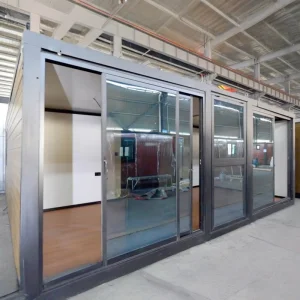
China 20FT Fast Assembly Flat Roof Foldable Expandable Container House with Glass Curtain Wall for Glamping Resort Manufacturers, Factories
View Product Details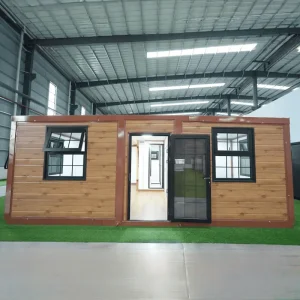
China 20FT Factory Direct Galvanized Steel Prefab House Double Wing Expandable Container House for Construction Camp Manufacturers, Supplier
View Product Details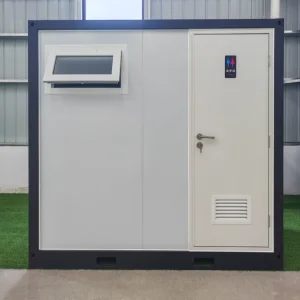
High-Quality Movable Reusable Prefab Dry Wet Separation Shower Bathroom Modular Portable Restroom With Glass Partition Supplier, Factory
View Product Details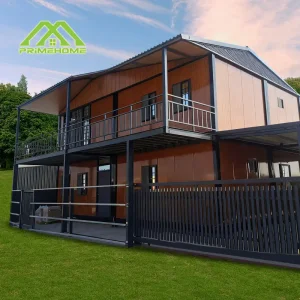
China Factory-direct sales of luxury residential modules, prefabricated park hotel duplex, fully furnished Manufacturer, Supplier
View Product Details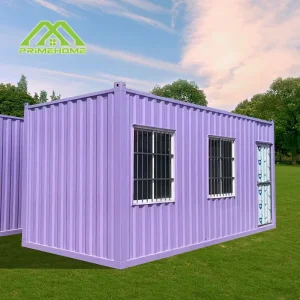
China 20ft 40ft stackable foldable modern flat pack container homes Direct-factory sales Low shipping costs Flexible FOB term Supplier, Suppliers
View Product Details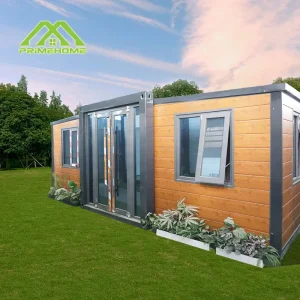
Custom Customized 20ft 40ft expandable container house High-quality modern luxury villa Collapsible container house Manufacturer, Supplier
View Product Details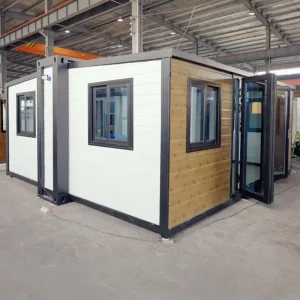
High-Quality F700 Prefab Fast Assembly Expandable Container House for Scenic Resort Accommodation Office and Residence Supplier, Factories
View Product Details