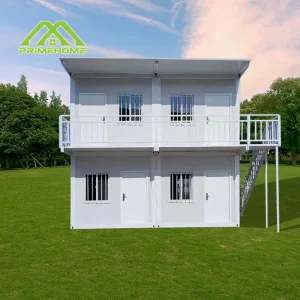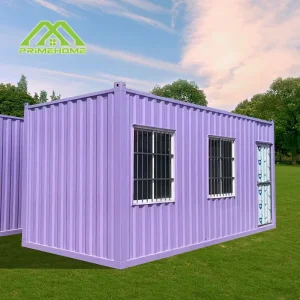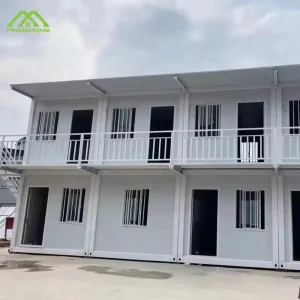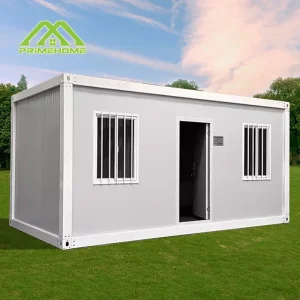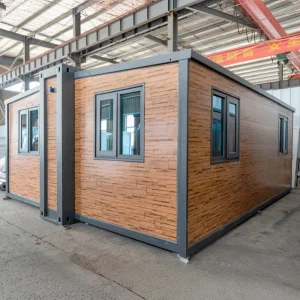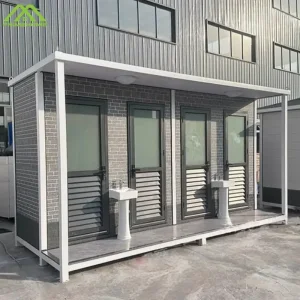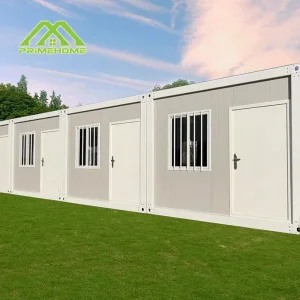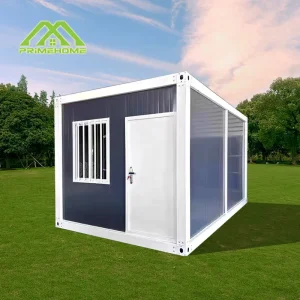
Enterprise Prefab Modular Bathrooms & Houses (Series I)
Rapidly deployable containerised sanitary modules, expandable ADUs, and complete architectural washroom units engineered in Suzhou.
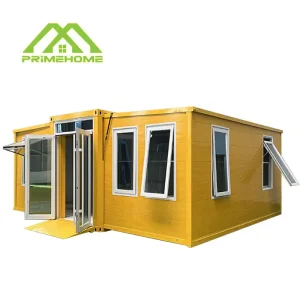
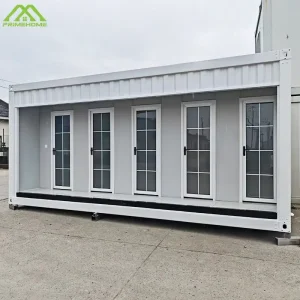
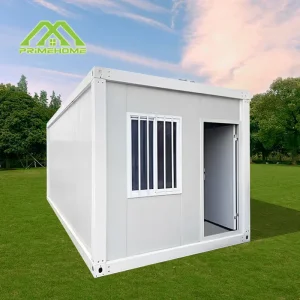
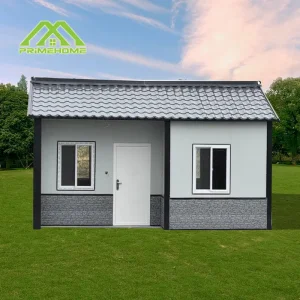
The Strategic Edge of Chinese Industrial Manufacturing for Mobile Sanitary Architecture
Analyzing precision engineering, supply-chain resilience, and structural lifecycle efficiency in global procurement.
Full Supply Chain Integration
Unlike regional assemblers reliant on decentralized sub-vendors, Chinese advanced manufacturing hubs like Suzhou PrimeHome concentrate cold-formed galvanized framing, robotic welding, EPS/PIR fire-retardant wall sandwiches, and pre-tested MEP (Mechanical, Electrical, Plumbing) conduits inside a singular 28,000 m² manufacturing plant. This minimizes structural tolerances to under ±1.5mm.
Severe Environment Resistance
Every latrine unit and mobile bathroom shell utilizes Q235B galvanized steel profiles coated with multi-layer fluorocarbon epoxy paints, certified for salt-spray exposure up to 1,200 hours. The thermal envelope combines high-density polyurethane or rock-wool panels to ensure an operational baseline from -35°C arctic cold to +55°C desert heat without thermal bridging.
International Code Compatibility
Manufactured under ISO 9001, CE, and structural Eurocode compliance parameters. Electrical wiring follows strict AS/NZS 3000, NEC (US), and IEC international layouts, featuring certified residual current circuit breakers (RCCB), IP65 waterproof sockets, and low-VOC interior composite liners compliant with green building sustainability assessments.
Emerging Technological Paradigms in Mobile Bathrooms & Latrines
From water-scarce ecological sanitization to automated IoT facility management, off-site construction is redefining global sanitation protocols.
Micro-Flush & Vacuum Water Conservation
Global humanitarian and corporate sites demand extreme water savings. Modern Chinese mobile sanitation units integrate aircraft-grade vacuum drainage systems, reducing clean water consumption to 0.5 to 0.8 liters per flush (an 85% drop from traditional 6L gravity models), drastically shrinking wastewater hauling frequency for off-grid operations.
Circular Ecological & Dry-Composting Latrines
For environmentally sensitive biosphere reserves and UNESCO glamping resorts, China's source-separating dry toilet cores divert urine and solid waste into thermophilic aerobic composting digesters. Waste is sterilized without chemical bactericides or civil septic trenches, outputting nutrient-rich compost under strict zero-discharge standards.
Smart IoT Odor Extraction & Asset Monitoring
Sensor-driven automated HVAC systems monitor airborne NH3 (ammonia) and H2S (hydrogen sulfide) concentrations in real time, triggering variable-speed positive/negative pressure air purification cycles. Facility administrators review toilet paper levels, fresh water reserves, and blackwater tank capacities via centralized cloud telemetry consoles.
Enterprise Macro-Industry Deployments & Use Scenarios
Field-proven structural typologies addressing immediate sanitary requirements in heavy industries, municipal resilience, and luxury experiential tourism.
Remote Mining, Oil & Gas Infrastructure Camps
Extractive ventures in Western Australia, the Atacama Desert, or Northern Alberta demand indestructible, crane-liftable multi-cubicle ablution containers. Our heavy-gauge skid-mounted designs incorporate heavy-duty non-slip patterned aluminum flooring, commercial thermostatic shower rows, and industrial macerator pump sets capable of connecting directly to perimeter containment lagoons.
Disaster Alleviation & Refugee Humanitarian Relief
During seismic, flood, or geopolitical crises, disease vectors escalate via fecal-oral transmission. Flat-pack and collapsible container latrines engineered by PrimeHome allow up to 6 to 8 fully equipped modules packed per standard 40ft High Cube container. These units assemble in 45 minutes per cell using intuitive bolt connections, delivering prompt hygienic relief.
Eco-Hospitality, Glamping Resorts & Scenic Homestays
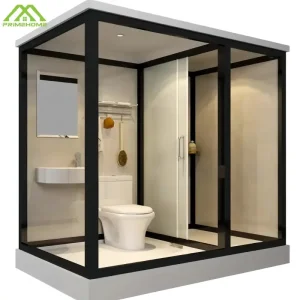
Modern luxury travelers refuse to compromise on plumbing comfort. Our Apple Cabin and capsule bathroom modules feature integrated rain-showers, anti-fog LED mirrors, instantaneous ceramic heating, and panoramic smart privacy glass. These systems allow boutique operators to monetize remote beachfronts and forest vistas without ground-breaking foundation permits.
Municipal Public Spaces & High-Footfall Festivals
Cities undertaking urban renewal projects require aesthetic, anti-vandal restrooms for public parks and waterfront corridors. Constructed using marine-grade polymer partitions, hands-free infrared faucets, automated turnstile entry integration, and ADA-compliant accessibility ramps, our municipal latrine suites uphold high public health safety.
Turnkey Civil Engineering & Skyscraper Construction Sites
Vertical urban projects require relocatable, crane-hoisted sanitary cabins that move floor-by-floor as superstructures rise. Our self-contained mobile latrines feature certified overhead rigging eyelets, integral high-pressure booster pumps, and secondary containment sumps that prevent project contamination.
Enterprise Sourcing Matrix: Mitigating Total Cost of Ownership (TCO)
Strategic purchasing managers evaluate prefabricated Chinese mobile sanitation systems over traditional on-site masonry through verifiable engineering fundamentals.
70% Reduction in On-Site Commissioning Overhead
Traditional wet-trade construction on overseas project sites incurs unpredictable labor expenditures, specialized plumbing subcontractor shortages, and compounding delay penalties. Factory-integrated mobile bathroom blocks arrive 95% pre-plumbed, pre-wired, and pressure-tested at our factory gate, requiring only localized inlet and discharge hookups.
Optimized Ocean Logistics Packing
Freight efficiency dictates project viability. PrimeHome designs structural frames with ISO corner casting dimensions and knock-down components, allowing units to ship under flat-pack CSC certifications or nested structural geometries. This reduces ocean transport cubic volume costs by up to 65% compared to monolithic precast concrete restrooms.
Residual Capital Value & High Relocatability
Permanent civil ablution blocks represent sunken capital lost upon project decommissioning. Modular containerized bathrooms operate as balance-sheet physical assets with a structural design lifespan exceeding 20 years. They can be decommissioned, crane-hoisted, flat-bedded, and redeployed across subsequent project cycles with zero structural degradation.
Frequently Asked Questions: Technical Sourcing & Compliance
Detailed technical specifications, operational constraints, and manufacturing criteria directly answered by PrimeHome lead engineers.
What specific materials prevent structural corrosion and moisture degradation in your mobile bathroom modules?
How do PrimeHome modular toilets interface with regional plumbing and drainage standards?
Can these latrines operate completely off-grid in remote, unserviced environments?
What is the standard production lead time and monthly capacity for large-scale institutional orders?
How are container bathrooms and latrine blocks secured during overseas containerized shipping?
What thermal insulation systems are used to prevent pipe freezing in sub-zero operational environments?
Enterprise Prefab Modular Bathrooms & Houses (Series II)
Explore our extensive range of stackable flat-packs, luxury detachable cabins, and mobile public sanitary solutions ready for global dispatch.