
How to Choose a Detachable Container House?

Time:2026-11-05 Author:Mason
0%

Choosing a Detachable Container House involves more than comparing prices or exterior finishes. The right unit must suit its site, intended use, transport route, and expected service life. Small details matter. A door that conflicts with a walkway or a weak floor specification can create costly problems later.

Industry data offers useful context, not a guarantee of performance. The International Energy Agency’s Buildings 2023 report says buildings account for about 30% of global final energy consumption. McKinsey’s 2019 modular-construction analysis found that modular methods can shorten project timelines by up to 50% and reduce costs by up to 20% in suitable cases. These figures describe potential across projects; they do not promise the same results for every detachable unit. Design, assembly quality, climate, and site preparation all affect outcomes.

A careful selection process should check structural specifications, connection details, lifting points, floor capacity, insulation, ventilation, and corrosion protection. Ask suppliers for drawings, material data, installation instructions, and clear warranty terms. Then compare those documents with the actual site: soil conditions, access for delivery vehicles, drainage, and local weather exposure. A low quoted price can hide missing components or unclear responsibilities. I have to admit, published product claims can be hard to compare when suppliers use different test methods. This guide explains which questions help buyers make a practical, evidence-based choice.
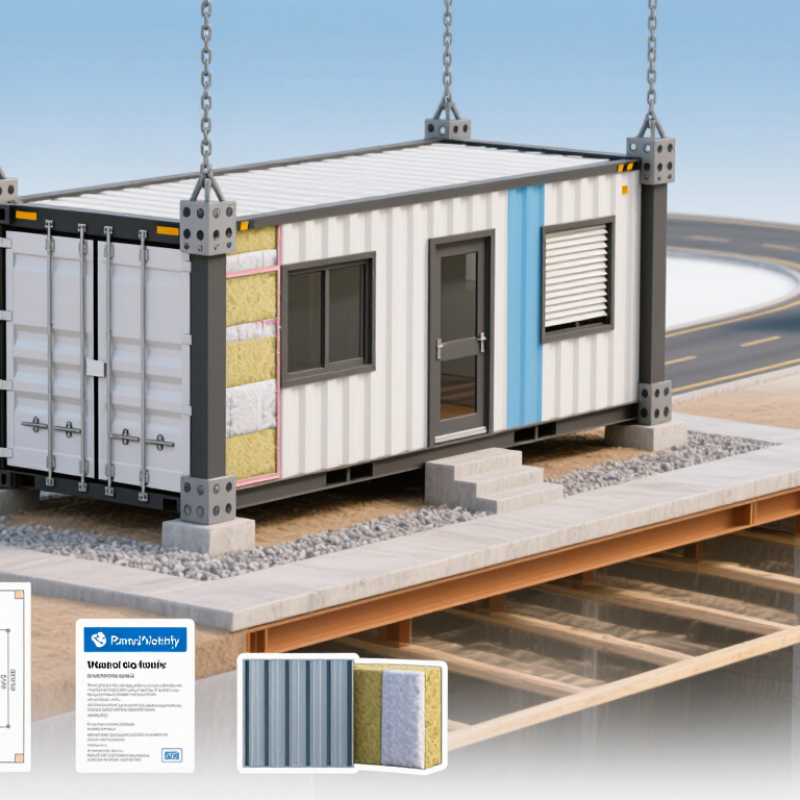
How to Choose a Detachable Container House?

Define Your Intended Use and Space Requirements

How to Choose a Detachable Container House?

Define Your Intended Use and Space Requirements

Start by deciding what the space needs to do on an ordinary day. A site office may need desks, storage, and a quiet corner for calls. A temporary classroom needs clear walkways and room for chairs, bags, and teaching materials. Write down the activities, not just the room names. Small details matter.

Next, measure the available site and the usable interior space. Note gates, trees, slopes, and access routes for delivery. Inside, allow room for doors to open and people to pass without squeezing between furniture. A floor plan can reveal awkward corners before installation. Measure twice.

Estimate how many people will use the unit at peak times, then consider how long they will stay. A shelter used briefly has different needs from a workspace occupied all day. Check where power, lighting, ventilation, and storage will fit. These can take more room than expected. It is easy to focus on the footprint and forget how people move through it.

Make a simple list of essential items, with rough dimensions beside each one. Then compare that list with the proposed layout. In practice, plans often look spacious until chairs, equipment, and bags arrive. I would leave some flexible space, even if the first sketch feels wasteful. Real use may differ from the plan.

Check Site Conditions and Local Building Regulations

Before choosing a detachable container house, inspect the actual plot, not just its listing photos. Look for slope, soft ground, standing water, overhead branches, and the route for a delivery truck or crane. A geotechnical professional can assess soil bearing capacity and recommend suitable foundations. This matters: a level-looking site can still shift after heavy rain. Check wind, snow, flood, and wildfire exposure using local hazard maps. FEMA’s National Risk Index evaluates 18 natural hazards, offering a useful screening tool, though it cannot replace a site-specific assessment. Small details matter.

Then confirm local rules with the planning and building departments before ordering the unit. Ask whether the home is permitted for residential use, what foundation and utility plans are required, and whether setbacks, fire access, or design review apply. Requirements can differ between neighboring jurisdictions. NOAA reported 28 U.S. billion-dollar weather and climate disasters in 2023, a reminder that local exposure deserves careful attention. The figure is national, not a prediction for your property. Request the applicable wind and snow-load criteria, plus flood-zone requirements, in writing. Keep copies. A common blind spot is assuming “detachable” means exempt from ordinary building review; it may not. I would verify that assumption early, even if it slows the purchase.

How to Choose a Detachable Container House: Check Site Conditions and Local Building Regulations

Compare common ISO freight-container external dimensions when checking site access and preliminary fit. Confirm the actual unit dimensions, required clearances, foundations, transport route, and local permitting rules before choosing.

Reference dimensions are approximate external measurements in meters. Detachable homes may differ; verify manufacturer drawings and local building requirements.

Compare Structure, Materials, Insulation, and Detachable Design

A detachable container house must do more than resemble a steel box. Inspect its load path, corner posts, and roof supports, especially where doors or windows interrupt the frame. Ask how modules connect and whether joints stay weather-tight after repeated assembly. If walls carry structural loads, confirm that removal or replacement panels will not weaken them. A rigid-looking joint can still leak. Not always obvious.

Insulation deserves close comparison. UNEP and GlobalABC reported in their 2023 Global Status Report for Buildings and Construction that buildings used 34% of global energy demand in 2022. That makes insulation and airtight joints practical priorities, not decorative upgrades. Compare whole-wall performance, thermal bridges, condensation control, and window seals, not just panel R-values. Request climate-specific calculations. Small gaps matter.

Materials shape maintenance and transport, too. Galvanized steel resists corrosion, but cut edges and fasteners still need protection. Ask for coating details, floor material specifications, and documented load ratings. A detachable design should show clear lifting points, accessible bolts, and replaceable service connections. Check whether plumbing and wiring disconnect without damaging finishes. On paper, assembly may look simple; on site, a slightly uneven foundation can complicate alignment. That detail deserves a real installation plan.

Evaluate Supplier Quality, Customization, and Warranty

A detachable container house should be judged by more than its photos. Ask the supplier for drawings, material specifications, and records from completed projects. Check wall panels, frame connections, door seals, and floor joints. These details affect transport, assembly, and daily use. Request close-up photos of finished corners, not only wide exterior shots. Small flaws matter.

Customization needs clear limits. Confirm dimensions, insulation, window placement, electrical points, and plumbing before approving production drawings. Ask how changes affect cost and delivery time. A supplier should explain which parts are standard and which require redesign. Get every agreed detail in writing. Verbal promises fade.

Review the warranty line by line. Check its term, covered components, exclusions, and the process for reporting a defect. Ask who pays for replacement parts and shipping, and how quickly claims are handled. A long warranty can sound reassuring, but vague wording is not much protection. I would also ask for a sample inspection checklist; it may reveal gaps in the supplier’s process. No checklist is perfect. Compare answers across suppliers, and pause if basic questions receive evasive replies.

Estimate Total Costs, Delivery, Installation, and Maintenance

A detachable container house can look affordable until delivery and site work are added. Ask for an itemized quote covering the unit, packaging, transport, unloading, and taxes. Request separate prices for stairs, insulation, windows, and interior finishes. Check what the quoted price excludes. Small omissions add up.

Delivery depends on more than distance. Confirm the truck’s access route, turning space, overhead clearance, and unloading method before paying a deposit. A narrow gate can stop a delivery truck, even when the house fits the plot. Ask whether crane or forklift costs are included, and get the delivery date and possible delay charges in writing. Weather can affect schedules, too.

Installation costs vary with the ground, foundation, and local utility connections. Confirm the required base dimensions and level tolerances with the supplier, then have a qualified local professional assess the site. Electrical and plumbing work may need separate contractors. I would not treat an early quote as a final budget; site conditions can change it. Leave a contingency for unexpected work.

Maintenance deserves a realistic allowance. Inspect roof seams, door seals, drainage, and exterior coatings after installation, then check them seasonally. Keep gutters clear and repair small coating damage before moisture spreads. Replacement parts may take time to arrive, so ask what components are standard and how they can be sourced. One overlooked detail is access for future repairs.

FAQS

How should I define the purpose of a detachable container house?

List the activities that happen there each day. A site office may need desks, storage, and a quiet spot for calls. A classroom needs clear walkways and space for chairs and bags.

What should I measure before choosing a unit?

Measure the site, interior, gates, access routes, trees, and slopes. Check that doors can open and people can pass furniture comfortably. Measure twice.

How do I estimate the space needed inside?

Count peak users and consider how long they will stay. Mark the dimensions of essential furniture and equipment on a simple floor plan. Leave some flexible space; real use may differ from the sketch.

Which utilities and layout details should I plan for?

Decide where power, lighting, ventilation, and storage will go. These can take more room than expected. Chairs and bags change the layout.

What supplier information should I review?

Request drawings, material specifications, and records from completed projects. Inspect details such as frame connections, wall panels, floor joints, and door seals. Ask for close-up photos of finished corners.

What customization details should be confirmed in writing?

Confirm dimensions, insulation, window positions, electrical points, and plumbing before approving production drawings. Ask how changes affect cost and delivery time. Verbal promises fade.

How can I assess a warranty?

Check its term, covered parts, exclusions, and defect-reporting process. Ask who pays for replacement parts and shipping, and how claims are handled. Vague wording offers little comfort.

What should I do if supplier answers are unclear?

Compare answers across suppliers and ask for a sample inspection checklist. Pause if basic questions receive evasive replies. No checklist is perfect, and I might still miss something.

Conclusion

Choosing a Detachable Container House starts with defining how it will be used and how much space it needs. Consider the number of occupants, intended activities, storage needs, and whether the layout may need to change later. Before making a decision, assess the site, including access, ground conditions, utilities, and applicable local building requirements, so the design is suitable for its location.

Compare the structure, materials, insulation, and connection system to understand how the unit will perform and how easily it can be assembled or relocated. Review the supplier’s quality standards, customization options, warranty, and after-sales support. Finally, estimate the full cost—not only the purchase price, but also delivery, site preparation, installation, and ongoing maintenance. Weighing these factors together can help you choose a practical, comfortable, and cost-effective solution that meets your needs.

Mason

Mason

Mason is a seasoned marketing professional with a deep expertise in the company's offerings and a passion for driving brand awareness. With a strong background in digital marketing strategies, he has an innate ability to connect with diverse audiences and effectively communicate product benefits.......