
How to Buy a Container House in 2026?

Time:2026-10-28 Author:Mason
0%

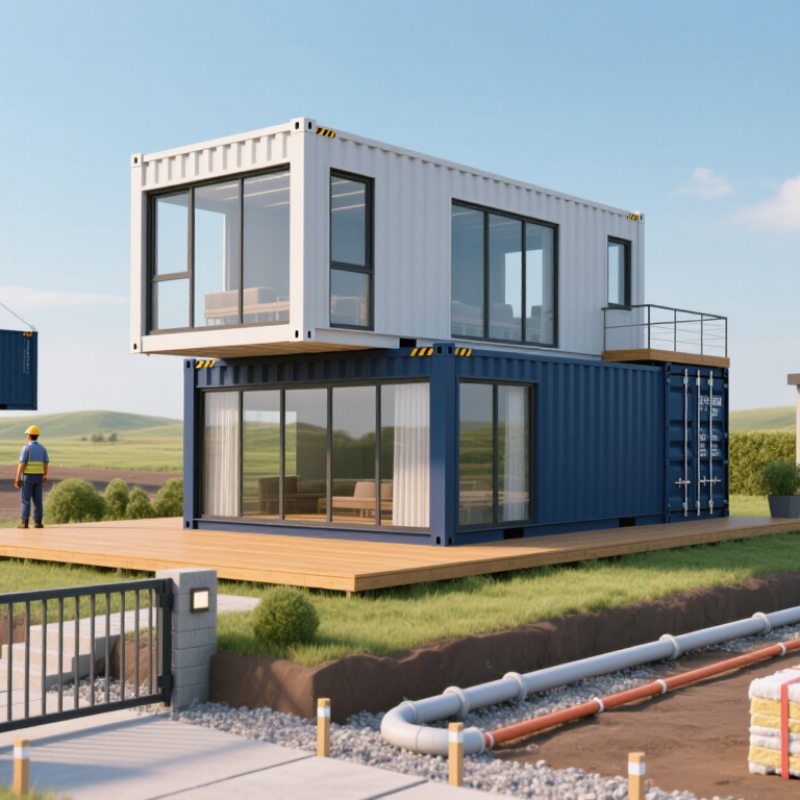
In 2026, buying a Container House means weighing more than its price and appearance. A finished unit may look move-in ready in a showroom, yet the site, delivery route, and utility connections can change the real cost. Details matter. A narrow gate or soft ground can complicate delivery, while insulation, ventilation, and window placement affect everyday comfort.

Start by matching the design to how you will use the space. Ask suppliers for clear specifications, including dimensions, materials, insulation details, included fixtures, and what the quoted price excludes. Request recent project photos and, where possible, speak with previous customers. Compare written quotes, not just headline prices. A low price may leave out foundations, transport, installation, or interior work. Measure twice. I’d still expect some estimates to change once the site is assessed.

Before signing, confirm who handles delivery, assembly, and after-sales support. Check local planning and building requirements with the relevant authorities, since rules vary by location and project. Also ask how the home is protected against moisture and temperature changes, and what maintenance the exterior needs. This guide explains how to assess suppliers, compare costs, prepare a site, and review key contract details. There is no perfect checklist. Careful questions, documented answers, and a realistic budget make a better starting point than a polished brochure.
How to Buy a Container House in 2026?

Define Space Using ISO 668 Sizes: 20-ft (6.058 m) and 40-ft (12.192 m)

Start with the footprint, not the advertised room count. ISO 668:2020 gives standard external lengths of 6.058 m for a 20-ft container and 12.192 m for a 40-ft unit. At the standard 2.438 m width, their approximate external footprints are 14.8 m² and 29.7 m². These figures help compare site layouts. They are not usable floor areas. Not even close.

Before buying, request a dimensioned drawing showing internal length, width, ceiling height, and door opening. Wall panels, insulation, flooring, and framing reduce clear space. A high-cube container adds height, not floor area. Measure the planned furniture, too: a bed, table, and walkway can crowd a narrow interior quickly. I would treat the ISO measurements as a starting point, not a promise of comfort. The numbers are tidy; the finished space may not be. Confirm modifications and actual delivered dimensions in writing, and leave room for access around the unit. ISO 668:2020 is the dimensional reference; the supplier’s drawings should describe the build you are actually buying.

Check Zoning, Permits, and Structural Loads Against Local Building Codes

How to Buy a Container House in 2026?
Check Zoning, Permits, and Structural Loads Against Local Building Codes

Before paying a deposit, check whether the specific parcel allows a container house as a dwelling. Zoning rules may affect minimum floor area, setbacks, height, and utility connections. Call the local planning office with the parcel number and a basic site plan. Ask which permits are required, and request written guidance when possible. Rules vary by location. A seller’s general assurance is not approval.

Structural loads need equal attention. A container designed for shipping may be altered by doors, windows, or joined sections, changing how its frame carries weight. Ask a qualified local engineer to review drawings, foundation details, and connections. They should consider local wind, snow, and seismic requirements. Also confirm whether plans need professional stamps. Small details matter, such as how a roof transfers snow load to the walls.

Tips: Before purchase, compare the proposed plans with local building-code requirements. Keep emails, permit checklists, and engineering documents together. Confirm that delivery access and foundation work are included in your budget. I would not assume a standard container stays structurally adequate after major cuts; that assumption is easy to make, and worth challenging.

Compare New and Used Units; Verify CSC Plates and Structural Condition

When comparing new and used container houses, match the unit to its intended use. A new unit usually offers clearer maintenance records and fewer hidden repairs, but it may cost more. A used unit can be good value if its history is documented. Check what has been added or cut into the walls, since large openings can affect strength. Looks can deceive.

Ask for clear photographs of the CSC plate and compare its details with the seller’s documents. If the unit will be transported, confirm that its safety status and inspection records suit the planned journey. A CSC plate does not certify the unit as a home or guarantee its condition today. Requirements can vary with use and route, so ask a qualified inspector or transport professional when details are unclear.

Inspect the corner posts, top and bottom rails, roof, floor, and welds in person. Look for deep rust, bent sections, soft flooring, water stains, and fresh paint over damaged areas. I would not treat a new coat of paint as reassurance. Ask when repairs were made and who completed them. If possible, have an experienced structural inspector check the unit before payment; a small inspection fee may prevent a much larger repair bill.

Price Transport, Crane Access, and Site Preparation Before Purchase

A container house’s purchase price is only one part of the bill. Request a written quote that separates the unit, loading, transport, crane hire, and unloading costs. Ask whether the quoted delivery includes waiting time or extra charges for difficult access. These details can change the budget quickly.

Check the route before choosing a delivery date. Measure narrow gates, overhead branches, and turning space, then compare them with the truck’s dimensions. Small details matter. Confirm who checks road restrictions and any required local approvals. A route that looks clear on a map may still be too tight for a long trailer.

Crane access needs its own plan. The crane requires stable ground, room to extend its supports, and a clear lifting path. Ask the delivery team what ground conditions and working space they need. Prepare the foundation, drainage, and utility connections before the house arrives; wet or soft soil can delay unloading. Keep site photos and written measurements, though they may not reveal every hidden problem. Build a modest contingency into the budget, since weather, access, and site conditions can differ from early estimates.

How to Buy a Container House in 2026: Key Upfront Costs

Illustrative USD planning ranges for one 20-foot project: container and basic conversion, transport, crane placement, and site preparation. Actual costs vary by location, access, container condition, and foundation requirements. Permits and utility connections are not included; get local quotes before purchasing.

Specify Insulation and Ventilation to Meet Applicable Energy Codes (ASHRAE 90.1)

When buying a container house in 2026, ask for an insulation and ventilation schedule before approving the design. Steel walls conduct heat quickly, so a thin layer placed only between interior studs may leave cold bridges at the frame. Request the proposed insulation type, thickness, and calculated assembly U-factor, then compare them with the energy code adopted where the house will be installed. ASHRAE 90.1 may apply to some buildings, but local rules determine the required edition and scope.

Small gaps matter.

Also ask how the design controls condensation. Warm, humid indoor air can reach cold steel and collect moisture behind finishes. A continuous air barrier, carefully sealed seams, and suitable vapor control can reduce that risk, but the right assembly depends on climate and wall design. Ventilation needs its own check: ASHRAE 90.1 addresses energy use, while required outdoor-air rates are generally set by other applicable codes or standards. Ask for the ventilation rate, exhaust locations, and any heat-recovery assumptions in writing. A bathroom fan alone may not provide enough fresh air. It is tempting to accept a high insulation number as proof of comfort; it is not. Have a qualified local designer verify the envelope and ventilation details against the site’s adopted requirements.

FAQS

Is a new container house always a better choice?

Not always. New units may have clearer maintenance records and fewer hidden repairs, but usually cost more.

What should I check on a used unit?

Ask for its repair history and look for large wall openings. Those cuts can affect strength. Looks can deceive.

What does the CSC plate confirm?

Compare its details with the seller’s documents. It does not certify the unit as a home or confirm its current condition.

What should I inspect before paying?

Check corner posts, rails, roof, floor, and welds. Look for deep rust, bent sections, soft flooring, and water stains.

Is fresh paint a sign that the structure is sound?

Not necessarily. Ask when repairs were done and who completed them. I would still hesitate if damaged areas were recently painted.

Should I arrange a professional inspection?

If possible, have an experienced structural inspector assess the unit before payment. A small fee may prevent a larger repair bill.

What insulation details should I request?

Ask for the insulation type, thickness, and calculated U-factor. Compare them with the energy requirements adopted for the installation site.

Is insulation enough to prevent moisture problems?

No. Sealed seams, an air barrier, and suitable vapor control can help limit condensation on cold steel.

What ventilation information should the seller provide?

Request the outdoor-air rate, exhaust locations, and any heat-recovery assumptions in writing. A bathroom fan alone may not provide enough fresh air.

Conclusion

Buying a Container House in 2026 starts with choosing a size that fits your space and needs. Standard ISO 668 containers are typically 20 feet (6.058 m) or 40 feet (12.192 m) long, but the usable interior area may be smaller once insulation and finishes are added. Before purchasing, check local zoning rules, permit requirements, and building codes, including structural load limits for the site and intended use.

Compare new and used units by looking beyond the asking price. For a used container, verify its CSC plate where applicable and carefully assess the frame, floor, doors, and signs of corrosion or damage. Include delivery, crane access, and site preparation in your budget, since these can significantly affect the total cost. Finally, specify suitable insulation and ventilation, and confirm that the design meets applicable energy requirements, such as ASHRAE 90.1 where relevant.

Mason

Mason

Mason is a seasoned marketing professional with a deep expertise in the company's offerings and a passion for driving brand awareness. With a strong background in digital marketing strategies, he has an innate ability to connect with diverse audiences and effectively communicate product benefits.......